


How long after contracting conjunctivitis (pink eye) can one resume eating spicy food?

Conjunctivitis (commonly known as “pink eye”) has a relatively high incidence in daily life, and recovery from it is often not straightforward. It is essential to understand the available treatment options for conjunctivitis and to adopt appropriate therapeutic measures when ill—this helps expedite recovery and alleviate discomfort. So, how long after onset of conjunctivitis can one resume eating spicy food?
How long after conjunctivitis can one eat spicy food?
Spicy foods may be consumed once conjunctivitis has fully resolved. However, during the active phase of the disease, patients should strictly avoid chili peppers and other spicy foods, as these may exacerbate symptoms or delay recovery. Clinically, conjunctivitis is termed acute bacterial conjunctivitis—a condition primarily caused by bacterial infection of the conjunctiva, resulting in an acute inflammatory response. In the acute phase, frequent topical application of antibacterial eye drops is typically recommended. Moreover, for patients with abundant purulent discharge, copious irrigation of the conjunctival sac with sterile normal saline is necessary to prevent residual bacteria from lingering in the conjunctival sac and worsening inflammation. Simultaneously, strict isolation precautions should be observed at home: personal towels and washbasins must be kept separate from those used by other household members.
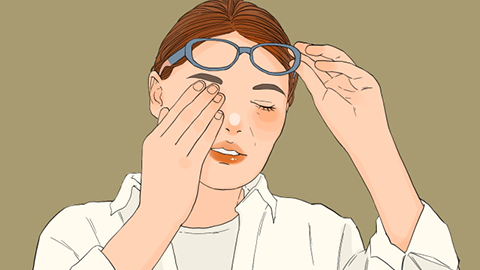
Patients with conjunctivitis should avoid spicy and stimulating foods, greasy foods, and seafood such as fish, shrimp, and crab. Smoking and alcohol consumption should be discontinued. Instead, patients are encouraged to consume vegetables and fruits rich in vitamins. When undergoing herbal or supportive therapy, special attention should be paid to periocular care. Patients must refrain from rubbing their eyes with unwashed hands and are strictly prohibited from swimming, as exposure to unclean water may further irritate or infect the eyes. Additionally, patients should maintain a balanced diet, ensure adequate sleep, and prioritize rest.
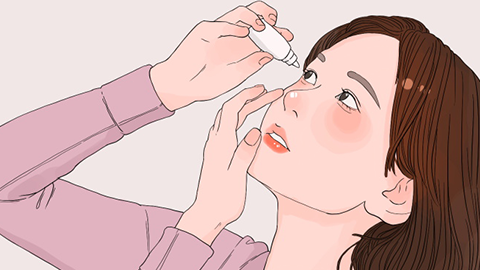
In daily life, dietary habits should be regulated: avoid spicy and irritating foods, overeating, and staying up late. We hope this information proves helpful.


