


Does a child with conjunctivitis (“pink eye”) need to be isolated in kindergarten?

Conjunctivitis (commonly known as “pink eye”) most frequently occurs in spring and autumn, potentially causing sporadic cases or outbreaks; therefore, individuals must pay close attention to personal protection and hygiene. Additionally, foods such as onions, garlic, pepper, mutton, and dog meat should be avoided.
Should children with conjunctivitis be isolated in kindergarten?
Should children with conjunctivitis be isolated in kindergarten?
Yes, children diagnosed with conjunctivitis should be isolated in kindergarten. Typically, “conjunctivitis” refers to acute conjunctivitis, which can be caused by either bacterial or viral infection. Regardless of whether the acute conjunctivitis is bacterial, viral, or caused by *Chlamydia trachomatis* (trachoma), it is highly contagious—primarily transmitted via direct contact. Contact transmission occurs, for example, when secretions from an infected person’s eyes are transferred via their hands onto shared items such as medical records, mobile phones, or everyday objects. If others subsequently touch these contaminated items and then rub their own eyes with their hands, a complete chain of transmission is established, potentially leading to acute conjunctivitis.
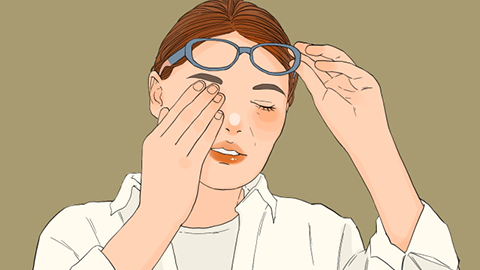
In daily life, individuals who develop conjunctivitis should seek prompt medical evaluation to identify the underlying cause. Neglecting timely diagnosis and treatment may worsen the condition. Once the causative factor has been identified and appropriate protective measures implemented, targeted therapy can be initiated to alleviate symptoms. Moreover, patients with conjunctivitis should also pay attention to lifestyle habits. For those affected, adequate rest is paramount and critically important.

In daily life, maintain a regular, balanced diet—avoid spicy and irritating foods, overeating, and staying up late. We hope this information proves helpful.


