


How long does it take to become infected after contact with “pink eye”?

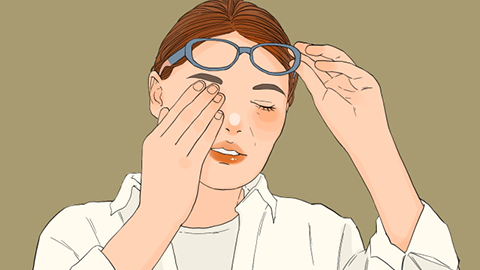
Individuals with conjunctivitis (commonly known as “pink eye”) typically produce several to dozens of times more ocular discharge than healthy individuals—most of which is viscous or purulent. Upon waking in the morning, patients often find it difficult to open their eyes because the discharge adheres the upper and lower eyelids together. Prior to opening the eyes, the discharge must be gently wiped away using clean water or a cotton swab. So, how long after contact does transmission of conjunctivitis occur?
How soon after contact is conjunctivitis transmitted?
Conjunctivitis is generally contagious throughout the entire course of illness; however, the exact timing of transmission varies among individuals due to differences in disease progression. Therefore, isolation should be implemented from symptom onset until full recovery, and transmission routes must be actively interrupted. This condition commonly spreads via the “eye–hand–eye” route; thus, patients should avoid rubbing their eyes with their hands, minimize close contact with others, and prevent outbreaks. Given that conjunctivitis can spread rapidly once introduced into a community, extra caution is essential. Prompt treatment with levofloxacin eye drops, ganciclovir ophthalmic gel, and houttuynia cordata eye drops—used in combination—has proven highly effective.

The primary preventive measure against conjunctivitis is avoiding transmission to others. During illness, patients must maintain strict hand hygiene—washing hands thoroughly after touching their eyes—and adhere to prescribed medications. They should also refrain from sharing personal items such as toiletries and bedding.
In daily life, patients should maintain a positive mindset, actively cooperate with medical treatment, take medications on time and in the correct dosage, and pay attention to routine care—thereby facilitating faster clinical improvement. We hope this response has been helpful to you.


