


Within what degree of astigmatism can vision be restored?

Astigmatism is primarily a corneal condition. Its main cause is uneven corneal thickness or insufficient corneal curvature, resulting in inconsistent refractive power across different meridians—thus preventing light rays from focusing clearly on the retina. Adults should pay attention to study duration and viewing distance during daily reading activities. So, up to how many diopters of astigmatism can be reversed?
Up to How Many Diopters of Astigmatism Can Be Reversed?
Astigmatism cannot be reversed. The most common symptom is monocular diplopia (double vision in one eye), caused by an irregularly shaped cornea that causes incoming light to focus at multiple points on the retina, leading to visual ghosting or overlapping images. It may also cause blurred vision—where part of the visual field appears clear while another part remains indistinct. Mild astigmatism (e.g., 75 or 100 diopters) without accompanying myopia or hyperopia typically produces no noticeable symptoms. However, astigmatism of 200–300 diopters may cause pronounced visual ghosting. If it occurs during childhood, it may impair retinal functional development and lead to amblyopia (lazy eye).
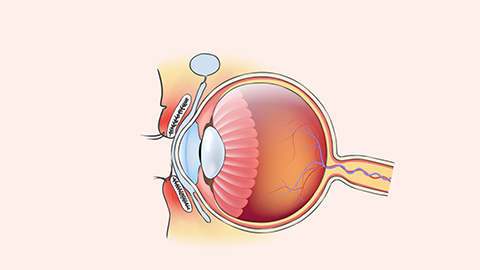
Astigmatism refers to a refractive error—a visual condition in which light fails to focus sharply due to variations in curvature across the surface of the cornea or lens. It is associated with congenital corneal developmental abnormalities and genetic factors; poor ocular alignment can trigger or exacerbate astigmatism.

In daily life, patients should maintain a positive mindset, actively cooperate with their physicians’ treatment plans, take prescribed medications as directed (in correct dosage and on schedule), and practice appropriate self-care to facilitate prompt improvement. We hope this response has been helpful to you.


