


Does keratitis affect refraction results?

Keratitis is a common ophthalmic condition in clinical practice, and infectious keratitis is a leading cause of blindness worldwide. Keratitis can be classified into infectious and non-infectious types based on its etiology. Infectious keratitis primarily includes bacterial keratitis, fungal keratitis, viral keratitis, and amoebic keratitis. Does keratitis affect refraction results?
Does Keratitis Affect Refraction Results?
Yes, keratitis can compromise the accuracy of refraction. It is commonly caused by bacterial or viral infections resulting from poor ocular hygiene. Typical symptoms include conjunctival injection (redness), epiphora (excessive tearing), and photophobia. As the disease progresses, patients may experience blurred vision or even visual acuity loss—both of which can interfere with accurate refraction assessment. When such symptoms are present and keratitis is diagnosed, antibiotic therapy—under physician guidance—can help control infection and promote recovery. Keratitis may arise from infectious agents, systemic diseases (e.g., autoimmune or cardiovascular disorders), or endogenous factors.
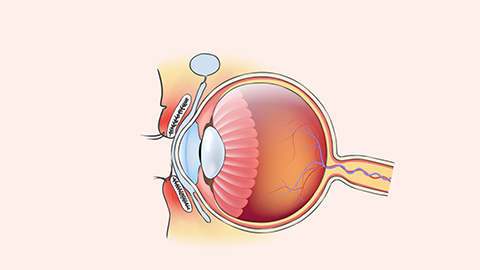
Identifying the precise underlying cause and evaluating the patient’s overall health status are essential for formulating an appropriate treatment plan. Since the severity of keratitis varies, therapeutic approaches differ accordingly. Treatment may involve pharmacotherapy, warm compresses, and topical irrigation to accelerate recovery.

In daily life, patients should maintain a positive mindset, actively cooperate with their physicians, adhere strictly to prescribed medication regimens (including correct dosage and timing), and pay close attention to routine ocular care—thus facilitating prompt clinical improvement. We hope this information has been helpful to you.


