


Do ascending colon diverticula require treatment?

Some colonic diverticula are small in size and have wide openings, remaining asymptomatic for extended periods; these cases may be managed with regular follow-up. However, most colonic diverticula are large in size but have narrow openings, making them prone to retention of diverticular contents and recurrent diverticulitis—potentially progressing to perforation in severe cases. So, do ascending colon diverticula require treatment?
Do ascending colon diverticula require treatment?
Yes, ascending colon diverticula generally require treatment. Colonic diverticula are a common benign condition of the colon, yet their precise etiology remains unclear. Most are congenital, resulting from localized weakness in the colonic wall during development, leading to focal protrusion of the bowel wall. Clinically, the decision to treat colonic diverticula depends primarily on their size and whether they cause significant symptoms. Typically, diverticula measuring less than 2 cm in diameter remain asymptomatic.

No specific treatment is required for such small diverticula. Patients should maintain a balanced diet, avoiding excessively fatty, spicy, or irritating foods to reduce the risk of colitis. In contrast, diverticula larger than 2 cm carry a higher risk of colitis and, in severe cases, diverticular hemorrhage. Surgical intervention is typically indicated, with laparoscopic segmental colectomy being the preferred approach—offering high rates of cure.
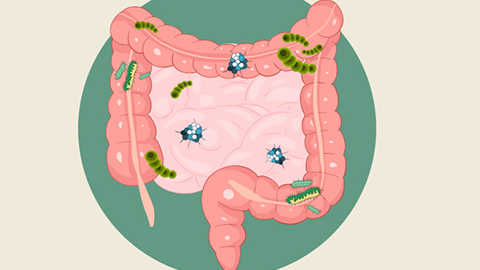
In daily life, patients should maintain a positive mindset, actively cooperate with their physicians, take prescribed medications as directed (both in dosage and timing), and pay attention to routine self-care—thereby facilitating prompt clinical improvement. We hope this information proves helpful to you.


