


What Should Parents Pay Attention to in Toddlers with Astigmatism?

Astigmatism not only impairs visual acuity but also causes significant inconvenience in daily life. If left untreated, the condition may progressively worsen—increasing treatment complexity and raising the risk of other ocular diseases, potentially even leading to blindness. So, what should parents pay attention to regarding astigmatism in young children?
What to Watch for in Young Children with Astigmatism
Children with astigmatism should cultivate healthy eye-use habits: avoid prolonged near work and take regular breaks by closing their eyes. They should not use their eyes in dim lighting, nor spend extended periods viewing electronic screens such as smartphones or computers—both of which can exacerbate visual fatigue and worsen astigmatism. Astigmatism is relatively common among children; therefore, early attention is critical. It is strongly recommended to take your child to a hospital for a routine cycloplegic refraction exam. This method provides the most accurate assessment of the child’s true refractive status. Based on these results, an appropriately prescribed pair of eyeglasses can be fitted—significantly alleviating symptoms or effectively controlling further progression of astigmatism.
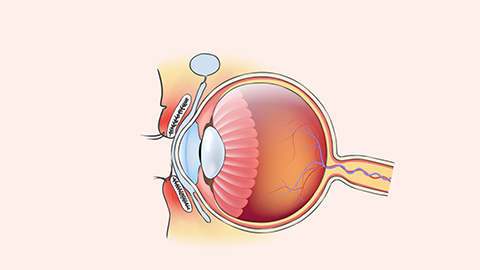
In cases of high astigmatism, amblyopia (lazy eye) is highly likely to develop; thus, timely prescription of appropriate corrective eyeglasses is essential, followed by vision function training. Children should avoid prolonged screen time on smartphones or computers and must not stay up late, as sleep deprivation severely harms ocular health.

In daily life, maintain a balanced diet—avoid spicy, irritating foods and binge eating—and ensure adequate sleep to prevent nocturnal strain on the eyes. We hope this information proves helpful.


