


Which part of the eye causes myopia?

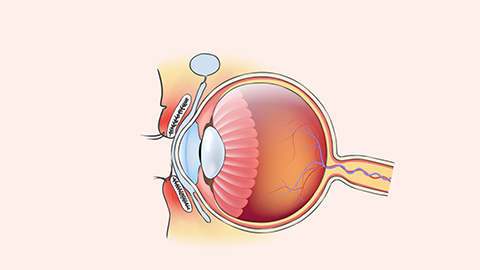
Based on the underlying causes of myopia, it can also be classified as axial myopia or refractive myopia. Axial myopia results from an excessively elongated eyeball, whereas refractive myopia arises from abnormal refractive properties of other optical components of the eye—such as the cornea and lens. According to its progression, myopia can be further categorized as simple (or non-pathological) myopia and pathological myopia. So, which part(s) of the eye are responsible for myopia?
Which part(s) of the eye cause(s) myopia?
Myopia primarily stems from abnormalities in the cornea, lens, or axial length of the eye. High myopia has a certain degree of heritability; children are at significantly increased risk when both parents have high myopia. Myopia is also associated with ocular development—excessive eye growth during childhood may lead to myopia. Environmental factors constitute the primary driver behind the rising prevalence of myopia today. Indeed, myopia incidence is now extremely high: upon entering school, one may observe that over half of the children in a class already wear corrective spectacles for myopia at an early age—a situation that poses considerable challenges for their future daily life and professional activities. Therefore, effective myopia prevention begins with understanding its underlying causes.
Engage in regular physical exercise, minimize prolonged near-work and excessive screen time, and increase outdoor activity. Sufficient sleep helps alleviate ciliary muscle spasm caused by excessive accommodative effort. Generally, children should aim for at least 8 hours—and ideally more than 9 hours—of sleep per night. Schedule routine vision examinations, and promptly seek correction if any decline in visual acuity is detected. Maintain a balanced diet rich in nutrients, especially foods high in vitamin A, calcium, and zinc.
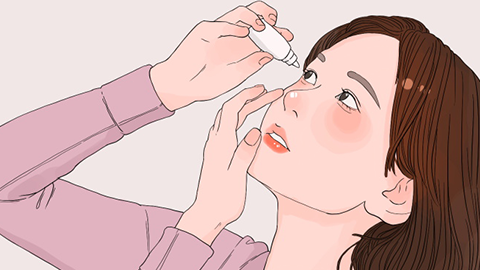
In daily life, patients should maintain a positive mindset, actively cooperate with physicians during treatment, take prescribed medications consistently and as directed, and pay close attention to routine self-care—thereby facilitating timely improvement of their condition. We hope this information proves helpful to you.


