


Why Don’t Myopic Individuals Develop Presbyopia?

Lighting that is either too bright or too dim can negatively affect vision. Excessively bright light—such as direct sunlight—causes strong glare, irritating the eyes and causing discomfort, making it difficult to read text clearly. Conversely, insufficient lighting results in inadequate illumination of text, forcing the eyes to strain to discern characters. This often leads to forward head posture and leaning closer to reading material, over-accommodation (or even accommodative spasm) of the eyes, and ultimately contributes to the development of myopia. So why do people with myopia not develop presbyopia?
Why Do People with Myopia Not Develop Presbyopia?
People with myopia can develop presbyopia. It is recommended to undergo a comprehensive refraction examination to assess refractive status and visual function, and to wear appropriately prescribed corrective lenses. Presbyopia typically begins after age 40 due to age-related weakening of the ciliary muscle’s accommodative capacity. Properly fitted reading glasses are effective for presbyopia; individuals with both myopia and presbyopia may consider progressive (multifocal) lenses. Importantly, myopia does not prevent presbyopia—many mistakenly believe that once they develop myopia, they will be immune to presbyopic symptoms.
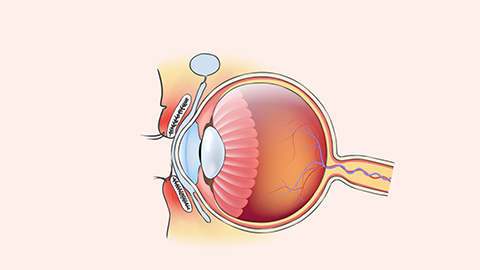
Engage regularly in physical exercise, minimize prolonged near-vision tasks, and increase time spent outdoors. Adequate sleep helps relieve ciliary muscle spasm caused by excessive convergence. Generally, children and adolescents should aim for more than nine hours of sleep per night, with a minimum of eight hours. Schedule regular vision screenings, and promptly correct any detected decline in visual acuity. Enhance dietary nutrition by consuming foods rich in vitamin A, calcium, and zinc.
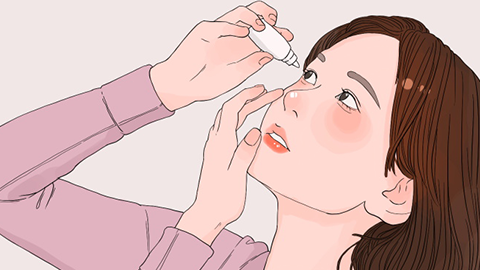
In daily life, patients should maintain a positive mindset, actively cooperate with their physicians during treatment, take medications as prescribed—both on schedule and in correct dosage—and pay close attention to routine self-care to promote faster recovery. We hope this response has been helpful to you.


