


Can patients with sigmoid colitis eat mutton?

Proctitis is a common intestinal disorder. If left untreated, proctitis can pose serious health risks; therefore, prompt and regular medical treatment is essential. During treatment, appropriate medications must be selected, and the underlying causes—such as infection, emotional stress, or chronic fatigue—must be identified to guide effective therapeutic strategies. So, can patients with sigmoid-proctitis consume mutton?
Can patients with sigmoid-proctitis eat mutton?
Patients with sigmoid-proctitis should avoid eating mutton. In general, individuals with proctitis should refrain from consuming spicy foods—including chili peppers and hotpot—and also avoid mutton, fatty meats, and organ meats (e.g., liver, kidney). Additionally, they should avoid coffee, strong tea, and especially alcoholic beverages, as these may irritate the gastrointestinal tract and potentially worsen symptoms. Proctitis may result from bacterial or viral infections, but emotional stress and prolonged fatigue are also recognized contributing factors. Although milk is nutritionally rich, patients with proctitis often have heightened intestinal sensitivity; consuming milk may trigger hyperactive bowel sounds and diarrhea.
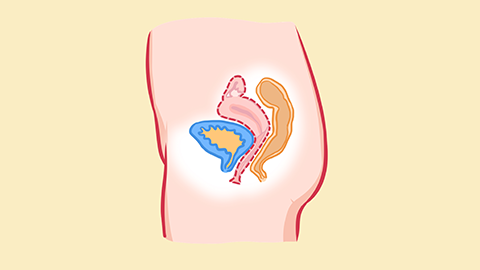
Moreover, many individuals experience allergic reactions to seafood. Improperly prepared or undercooked seafood may lead to bacterial infection and exacerbate systemic inflammation—thus making it unsuitable for patients with proctitis. Finally, bananas are considered “cold” in nature according to traditional dietary theory; excessive consumption may impair spleen-yang function.
In daily life, patients should maintain a positive mindset, actively cooperate with their physicians, adhere strictly to prescribed medication regimens (both in dosage and timing), and pay close attention to routine self-care—thereby facilitating timely symptom improvement. We hope this information is helpful to you.


