


Which department should I visit for cervical spondylosis?

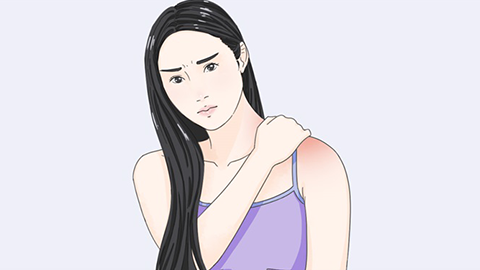
Cervical spondylosis is a common condition among modern individuals and poses significant health risks, including neck and shoulder pain, dizziness, tinnitus, and more. To effectively prevent and treat cervical spondylosis, it is essential first to understand its underlying causes. So, which medical specialty should you consult for cervical spondylosis?
Which Department Should You Visit for Cervical Spondylosis?
Cervical spondylosis falls under the domain of orthopedics. Prolonged sleeping on one side can lead to cervical lateral curvature, adversely affecting cervical health. Using a pillow that is too high or maintaining poor sleeping posture results in uneven stress on the intervertebral discs and disrupts the balance between muscles and joints, thereby accelerating degenerative changes in the cervical spine. Additionally, prolonged side-lying on a sofa while watching TV or playing mahjong places excessive pressure on the cervical spine and surrounding tissues, leading to overuse injuries.

Unhealthy daily postures significantly impair treatment outcomes and are a major cause of disease recurrence—thus warranting serious attention. In particular, correcting improper neck posture is crucial. Neck exercises are highly recommended, especially for office workers who consistently perform such exercises—yielding excellent results. Cervical traction—either in the supine or seated position—may also be employed, with each session lasting approximately 30 minutes. If time is limited, high-load, short-duration traction may be considered. During traction, ensure alignment of the body’s longitudinal axis with that of the cervical spine; avoid excessive flexion, extension, or rotation.
In daily life, maintain a balanced diet—avoid spicy, irritating foods and refrain from binge eating or staying up late. We hope this information proves helpful to you.


