


Can trigger finger (stenosing tenosynovitis) be treated with corticosteroid injections?

Tenosynovitis is a common condition in modern society, typically resulting from chronic traumatic inflammation caused by excessive friction within the tendon sheath. It predominantly affects middle-aged and elderly women, as they frequently engage in household chores and extensive hand activities—over time, these repetitive motions can accumulate and lead to tenosynovitis. So, can tenosynovitis be treated with corticosteroid injections (“block injections”)?
Can tenosynovitis be treated with block injections?
Yes, tenosynovitis can be treated using block injections. For patients experiencing severe swelling and pain, glucocorticoids are administered directly into the tendon sheath to alleviate pain and reduce inflammation. However, repeated use of block injections over prolonged periods should be avoided to prevent complications such as tendon rupture or infection. If block therapy proves ineffective and symptoms continue to worsen, surgical intervention may be necessary—such as open release of the tendon sheath and tenolysis (surgical loosening of adhered tendon tissue). Postoperatively, diligent wound care is essential, including local immobilization and maintaining cleanliness of the surgical incision.
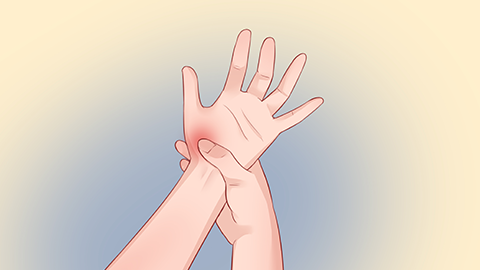
Following a block injection, recovery from tenosynovitis typically takes about one week. Therefore, during this one-week period after treatment, patients must avoid repetitive flexion and extension of the affected area, as well as excessive loading activities, to prevent exacerbation of tissue edema—which could intensify pain. Additionally, excessive movement may impair drug absorption and dispersion, thereby diminishing the therapeutic effect of the injection. Once the medication has been fully absorbed and edema subsides within the week, patients may gradually resume normal work and daily activities.

In daily life, patients should maintain a positive attitude, actively cooperate with their physicians’ treatment plans, take prescribed medications on time and in correct dosages, and prioritize routine self-care—thus facilitating prompt improvement of their condition. We hope this response has been helpful to you.


