


How to Effectively Treat Periarthritis of the Shoulder

Periarthritis of the shoulder (also known as “frozen shoulder” or “fifty-shoulder”) is an inflammatory condition that causes significant pain—particularly at night, when discomfort often intensifies. This condition can severely impair a patient’s ability to perform daily activities and maintain normal work and life routines. So, what are the most effective treatment approaches for periarthritis of the shoulder?
Effective Treatment Strategies for Periarthritis of the Shoulder
Treatment options for periarthritis of the shoulder include rehabilitation therapy, physical therapy, pharmacotherapy, and surgical intervention. Also referred to as frozen shoulder or fifty-shoulder, this condition is a chronic, traumatic inflammation affecting the soft tissues surrounding the shoulder joint. It is characterized primarily by shoulder pain and restricted range of motion. Currently, there is no specific targeted therapy for periarthritis of the shoulder. The fundamental treatment principles focus on pain relief, combined with rehabilitative interventions to restore shoulder joint function and prevent muscular atrophy.
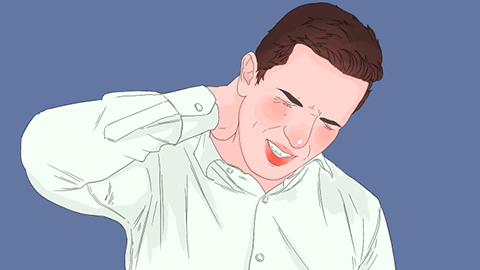
Patients with periarthritis of the shoulder must ensure adequate rest, recognizing that physical reserves are finite. Excessive physical exertion may precipitate illness—or exacerbate existing conditions. Similarly, prolonged overconsumption of food can damage internal organs or joints. To prevent periarthritis of the shoulder—and to detect it early—the first priority is protecting one’s body by avoiding overwork at all costs.

In daily life, patients should adhere to a balanced, regulated diet—avoiding spicy, irritating foods and refraining from binge eating or staying up late. We hope this information proves helpful.


