


What Is Frozen Shoulder? What Are Its Symptoms?

Frozen shoulder (adhesive capsulitis) is not a life-threatening condition. It primarily involves adhesions and sterile inflammation of the shoulder joint and surrounding soft tissues, posing no direct threat to life. However, frozen shoulder can be extremely debilitating. Its hallmark symptom—pain—can significantly interfere with daily activities such as brushing teeth or washing the face. So, what exactly is frozen shoulder, and what are its symptoms?
What Is Frozen Shoulder and What Are Its Symptoms?
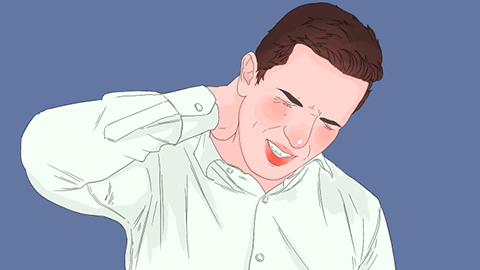
Frozen shoulder—also known as periarthritis of the shoulder—is characterized by gradually developing shoulder pain, predominantly at night, which progressively worsens over time. Concurrently, functional range of motion in the shoulder joint becomes increasingly restricted. It most commonly affects middle-aged and older adults over 40 years of age. The primary symptom is shoulder pain, typically with an insidious onset; the pain intensifies gradually and may be described as sharp, knife-like, or persistent. It often exacerbates markedly during weather changes or after physical fatigue. Pain tends to be milder during the day but significantly worse at night. Shoulder joint mobility is markedly limited, especially in abduction, elevation, internal rotation, and external rotation. Clinically, frozen shoulder is a relatively common musculoskeletal disorder.

Frozen shoulder is primarily caused by sterile inflammation resulting from excessive fatigue, overuse, cold exposure, or trauma to the shoulder muscles, leading to adhesions in the periarticular musculature. Clinically, patients first notice pain localized to the shoulder and surrounding areas, with marked nocturnal worsening. There is distinct tenderness over the medial aspect of the shoulder, and significant limitations in shoulder movements—including abduction, extension (reaching backward), and forward flexion.
In daily life, patients should maintain a positive mindset, actively cooperate with their physicians’ treatment plans, take prescribed medications consistently and as directed, and pay close attention to routine self-care—thereby facilitating prompt improvement in symptoms. We hope this information proves helpful to you.


