


How is tenosynovitis of the fingers treated?

Currently, most people are preoccupied with work and have little time for physical activity. If one remains inactive for an extended period and then suddenly engages in intense exercise at a specific time, joint sprains may occur. Such injuries can damage the internal structures of the joints and potentially lead to synovitis. So, how is synovitis of the ten fingers treated?
How Is Synovitis of the Ten Fingers Treated?
Synovitis of the ten fingers can be managed pharmacologically. Intravenous administration of mannitol and dexamethasone helps reduce edema through dehydration and exerts anti-inflammatory effects, thereby decreasing local inflammatory swelling. Additionally, oral nonsteroidal anti-inflammatory drugs (NSAIDs)—such as loxoprofen sodium, nimesulide, and ibuprofen—can alleviate local inflammation and relieve pain. Elevating the affected fingers above heart level leverages gravity to reduce inflammatory edema and pain. It is also essential to keep the fingers relaxed and at rest, avoiding movement, as excessive activity may exacerbate inflammation.
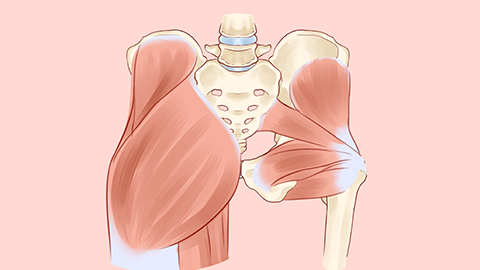
Avoid prolonged, high-impact physical activity. Research indicates that sustained vigorous exercise—such as mountain climbing or stair climbing—increases mechanical load on weight-bearing joints like the knees and hips, elevates stress on articular surfaces, accelerates cartilage wear, and may damage bone and surrounding soft tissues due to excessive mechanical stress—thereby triggering synovitis. Therefore, patients should adhere to the principle of moderation during exercise and opt for gentle aerobic activities, such as walking or slow jogging.
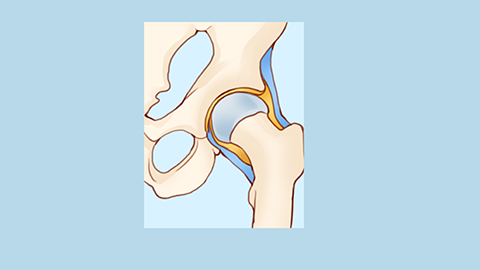
In daily life, patients should maintain a positive mindset, actively cooperate with their physicians’ treatment plans, take prescribed medications consistently and as directed, and pay close attention to routine self-care—thus facilitating prompt clinical improvement. We hope this response proves helpful to you.


