


How to Use Salt Heat Compress for Synovitis

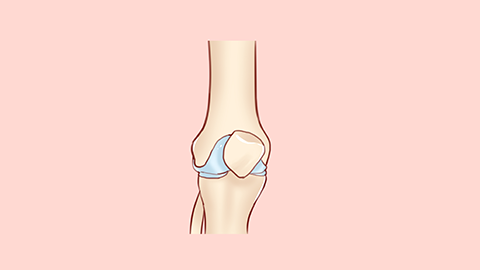
Synovitis is a common condition affecting many patients. The primary lesion typically occurs in the knee joint, causing particularly severe effects on patients. Once diagnosed with synovitis, patients must pay close attention and pursue active treatment. This condition not only impairs physical mobility but also adversely affects patients’ daily life and psychological well-being. So, how is salt heat therapy applied for synovitis?
How to Apply Salt Heat Therapy for Synovitis
The application of salt heat therapy for synovitis depends on the disease stage. During the acute phase—especially in cases of acute or traumatic synovitis—synovial swelling and significant blood stasis commonly occur. Applying salt heat therapy at this stage may enhance local blood circulation, thereby exacerbating synovial edema and blood stasis, increasing exudate production, and intensifying joint pain; thus, salt heat therapy is contraindicated during the acute phase. However, if the condition stabilizes after approximately four to five days—when synovial edema and hyperplasia have entered a stable phase—salt heat therapy may then be safely employed.
Patients with synovitis must carefully manage their diet. Elevated uric acid levels in the body can aggravate joint pain. Therefore, strict dietary control is essential during the chronic phase. Patients are advised to increase intake of alkaline foods, along with ample vegetables and fruits. Excessive consumption of meat should be avoided, as it may elevate uric acid crystallization, causing severe damage to articular cartilage.
In daily life, patients should maintain a positive mindset, actively cooperate with physicians during treatment, take prescribed medications regularly and in correct dosages, and adhere to appropriate self-care practices to facilitate prompt improvement of symptoms. We hope this information proves helpful to you.


