


What should I do if I experience severe pain from adhesive capsulitis (frozen shoulder)?

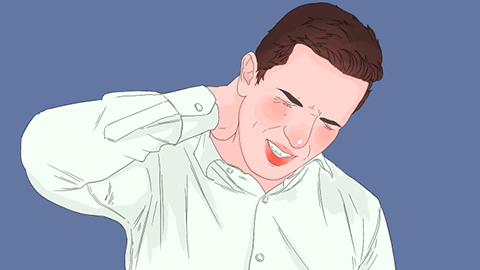
Periarthritis of the shoulder (also known as “frozen shoulder”) is a common orthopedic condition caused by pathological changes in the tissues surrounding the shoulder joint. The primary symptom is shoulder pain, which typically worsens progressively and significantly impairs sleep, daily activities, and work performance. So, what should one do when shoulder periarthritis causes severe pain?
What to Do for Severe Pain from Shoulder Periarthritis
Pain from shoulder periarthritis can be alleviated through various methods, including heat application, massage, acupuncture, and tuina (Chinese therapeutic massage). When pain is severe, oral analgesics may be used for symptomatic relief. For individuals without allergies, topical herbal ointments with blood-activating and stasis-resolving properties may also help improve symptoms. Patients with shoulder periarthritis can apply warm, damp towels or hot water bottles directly to the painful area; heat therapy promotes local blood circulation, activates blood flow, resolves stasis, and thus effectively reduces shoulder joint pain.

Physical therapies—including massage, acupuncture, and tuina—can also be effective in treating shoulder periarthritis. These modalities stimulate specific acupoints, thereby improving the condition. However, when opting for massage or acupuncture, patients should seek treatment from qualified, experienced practitioners; self-administered treatments may exacerbate symptoms. For patients experiencing severe pain unresponsive to heat therapy or other physical modalities, oral nonsteroidal anti-inflammatory drugs (NSAIDs) or traditional Chinese patent medicines with blood-activating and stasis-resolving effects may be considered.
Patients undergoing hydrotherapy are advised to incorporate gentle range-of-motion exercises, which can significantly aid in managing shoulder periarthritis. We hope this information proves helpful.


