


Differences Between Knee Cartilage Injury and Synovitis

The synovium is connected to the joint cavity and primarily functions to secrete synovial fluid for joint lubrication. When stimulated—either by various internal or external factors or through direct irritation—the synovium may become damaged, triggering an inflammatory response and excessive production of exudative fluid. This leads to prolonged joint pain, hematoma, and hyperemia. So, what are the differences between knee cartilage injury and synovitis?
Differences Between Knee Cartilage Injury and Synovitis
The distinctions between knee cartilage injury and synovitis mainly involve etiology, clinical manifestations, and imaging findings. Specifically: Etiology: Meniscal injury is typically caused by acute trauma or chronic cumulative damage, whereas synovitis commonly results from trauma, degenerative changes, or other inflammatory conditions affecting the synovium. Clinical Manifestations: Knee cartilage injury often presents with knee pain—particularly during weight-bearing or flexion/extension movements. In severe cases, joint locking may occur. In contrast, synovitis is characterized by joint swelling, effusion, restricted range of motion, and notably increased skin temperature over the affected joint.
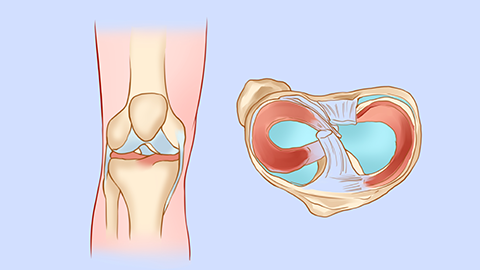
To prevent synovitis, ensure adequate sunlight exposure indoors and monitor ambient temperature fluctuations closely. Avoid prolonged exposure to damp environments, which may induce cold exposure; use protective braces or sleeves for affected joints. For individuals with obesity, appropriate weight loss helps reduce the risk of synovitis. In daily life, limit intake of foods prone to promote weight gain.
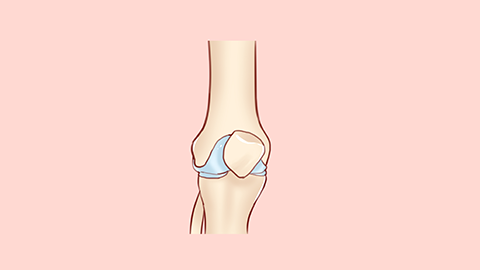
In daily life, patients should maintain a positive mindset, actively cooperate with physicians during treatment, take prescribed medications on time and in correct dosage, and pay attention to routine self-care—thereby facilitating prompt improvement of their condition. We hope this information proves helpful.


