


How long does it take for trochanteric bursitis to resolve?

Synovitis is a very common orthopedic condition encountered in clinical practice, primarily caused by knee sprains and various intra-articular injuries. The onset of synovitis significantly impairs patients’ daily functioning and warrants prompt, active treatment. So, how long does it take to recover from trochanteric bursitis (often mistakenly referred to as “cross-bone synovitis”)?
How Long Does It Take to Recover from Trochanteric Bursitis?
There is no fixed timeframe for complete recovery from trochanteric bursitis. With timely and active treatment, most patients respond well and gradually recover. For trochanteric bursitis, strict rest and protection constitute the optimal conditions for recovery—since this condition is typically triggered by overuse, traction-induced irritation, or cold exposure, resulting in localized aseptic inflammation. Therefore, adequate rest and protection remain critically important during recovery; patients should also avoid cold exposure and prevent catching a cold.
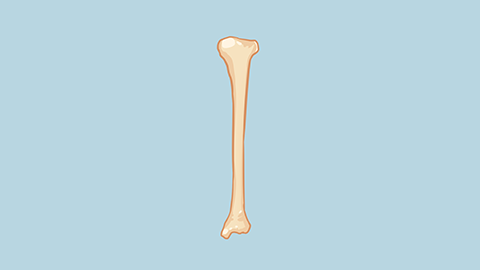
Applying a hot water bag for daily heat therapy yields more noticeable therapeutic effects. If the patient is not allergic to topical plasters, blood-activating and stasis-resolving plasters may be applied externally. Additionally, oral nonsteroidal anti-inflammatory drugs (NSAIDs) and blood-activating/stasis-resolving medications may be prescribed, alongside physical therapies such as acupuncture and electrothermal therapy (e.g., infrared lamp irradiation), which are particularly beneficial for alleviating symptoms of trochanteric bursitis. Generally, consistent application of these active treatment measures leads to gradual resolution of the condition.
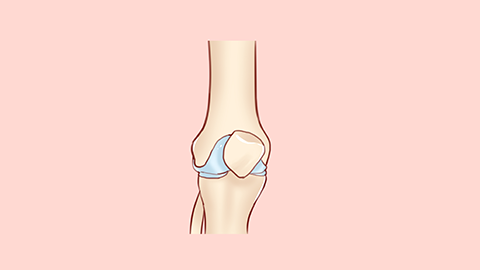
In daily life, patients should maintain a regular, balanced diet—avoiding spicy, stimulating foods, binge eating, or staying up late. We hope this information proves helpful.


