


What Does Early-Stage Conjunctivitis (Pink Eye) Look Like?

Conjunctivitis (commonly known as “pink eye”) has a high incidence rate and affects many individuals. Moreover, this condition causes significant ocular discomfort for patients, adding further inconvenience to their daily lives. When treating conjunctivitis, patients must pay close attention to proper ocular care. But what do the eyes look like in the early stages of conjunctivitis?
What Do the Eyes Look Like in Early-Stage Conjunctivitis?
In early-stage conjunctivitis, the eyes may exhibit conjunctival hyperemia. Conjunctivitis—also referred to as acute or subacute bacterial conjunctivitis or acute catarrhal conjunctivitis—is characterized by prominent superficial vascular congestion in the conjunctival fornix, while congestion near the limbus (corneal margin) is comparatively reduced. If a patient develops conjunctivitis with associated conjunctival hyperemia, prompt symptomatic treatment is essential. The primary therapeutic approach involves topical application of effective, culture-sensitive antibiotic eye drops, administered strictly under medical supervision.

Initial symptoms of conjunctivitis are often subtle, and vision is typically unaffected. However, if copious mucopurulent discharge adheres to the corneal surface, transient visual blurring or reddish vision may occur, sometimes accompanied by rainbow-colored halos before the eyes. Once the discharge is removed, vision usually returns to clarity.
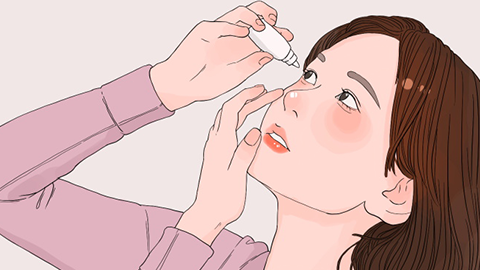
In daily life, patients should maintain a positive mindset, actively cooperate with their physicians during treatment, adhere strictly to prescribed medication regimens (both in dosage and timing), and practice diligent self-care—thereby facilitating rapid clinical improvement. We hope this information proves helpful.


