


Is pupil dilation necessary for myopia examination?

People often say that the eyes are the windows to the soul—through them, we perceive all the beauty in the world. Walking down the street, one can easily spot many individuals wearing eyeglasses. Wearing heavy glasses daily may significantly affect one’s appearance over time and also impose considerable inconvenience and limitations on daily life and physical activities. So, is pupil dilation necessary for myopia?
Is Pupil Dilation Necessary for Myopia?
Myopia does not require pupil dilation. Myopia refers to a condition characterized by elongation of the eyeball and reduced distance vision, typically resulting from poor visual habits or genetic factors. Therefore, myopia is unrelated to pupil size, and it does not cause pupil enlargement. Currently, there is no effective method to control myopia caused by inherited genetic factors. Only by maintaining healthy visual habits in daily life can rapid progression of myopia be effectively managed. Pupil dilation commonly occurs following ocular trauma or as a result of pharmacologically induced cycloplegia (e.g., during eye examinations); thus, there is no direct relationship between these two conditions.
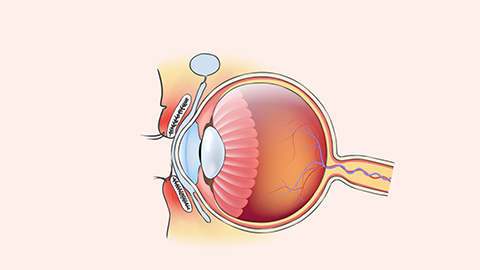
Under normal circumstances, when exposed to dim lighting or at night, the pupils naturally dilate due to reduced ambient light—a physiological response. Pathological mydriasis (abnormal pupil dilation), however, is primarily associated with optic nerve disorders or trauma. Therefore, pupil dilation is unrelated to myopia.

In daily life, patients should maintain a positive mindset, actively cooperate with their physicians during treatment, take prescribed medications as directed (both in dosage and timing), and pay close attention to routine eye care—thus facilitating timely improvement of their condition. We hope this information proves helpful.


