


Symptoms of Chronic Pulpitis

Pulpitis is, in fact, an inflammatory condition affecting the dental pulp. This inflammation causes significant discomfort to patients and severely impacts daily life. Moreover, pulpitis may lead to other complications; therefore, prompt treatment is essential. However, many individuals are unfamiliar with pulpitis and tend to overlook it when discussing diseases. So, what are the symptoms of chronic pulpitis?
Symptoms of Chronic Pulpitis
Most patients with chronic pulpitis experience spontaneous pain and heightened sensitivity to cold or hot stimuli, which exacerbates the pain. Notably, this pain persists for some time even after the cold or hot stimulus is removed. Pain associated with chronic pulpitis typically occurs at specific sites and often intensifies at night, though it tends to be insidious—less acute and less sharp than the pain seen in acute pulpitis. It is generally described as a dull, persistent ache, which many patients can tolerate.
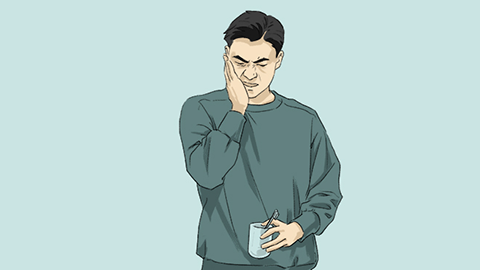
Clinically, chronic pulpitis is commonly observed in teeth with deep caries. Typically, such teeth require corresponding nerve devitalization therapy—either pulp capping (dry pulp therapy) or root canal treatment. Patients with pulpitis must maintain rigorous oral hygiene, as poor oral hygiene is a major contributing factor to the disease. After diagnosis, patients should brush their teeth and rinse their mouth daily. Additionally, using dental floss after dinner is recommended to prevent worsening of pulpitis.
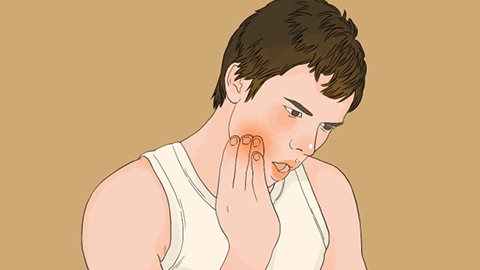
If symptoms suggestive of the disease appear in daily life, timely medical evaluation and active cooperation with healthcare providers during treatment are crucial. We hope this information proves helpful to you.


