


What Traditional Chinese Medicine (TCM) herbs are used for cerebral arteriosclerosis?
Aug 24, 2022
Source: Cainiu Health

Dr. Li Man
Introduction
Patients with cerebral arteriosclerosis may be treated with traditional Chinese medicine (TCM). Commonly used TCM preparations include Bu Nao Xin Tong Capsules, Compound Danshen Tablets, Xisuan Tongluo Capsules, Yangxue Qingnao Granules, and Ginkgo biloba extracts. These medications support cerebrovascular health through various mechanisms. Although they cannot reverse arteriosclerosis to restore arteries to a normal state, they can significantly improve the internal vascular environment—thereby greatly facilitating the development of collateral circulation in patients.
Cerebral arteriosclerosis primarily affects elderly individuals. If left untreated, it can easily lead to cerebral infarction or even cerebral atrophy. Some patients may develop neurasthenia and arteriosclerotic dementia. So, what traditional Chinese medicines (TCMs) are used for cerebral arteriosclerosis?
Traditional Chinese Medicines for Cerebral Arteriosclerosis
Patients with cerebral arteriosclerosis may be treated with TCMs. Commonly prescribed herbal preparations include Bu Nao Xin Tong Capsules, Compound Danshen Tablets, Xiao Suan Tong Luo Capsules, Yang Xue Qing Nao Granules, and Ginkgo biloba extracts. These medications support cerebrovascular health through various mechanisms. Although they cannot reverse arteriosclerosis to restore vessels to a completely normal state, they significantly improve the internal vascular environment—thereby facilitating the development of collateral circulation. They effectively alleviate symptoms associated with cerebral arteriosclerosis, such as dizziness, headache, vertigo, visual impairment, and even tinnitus, making them especially suitable for adjunctive therapy in the recovery phase following cerebral thrombosis.
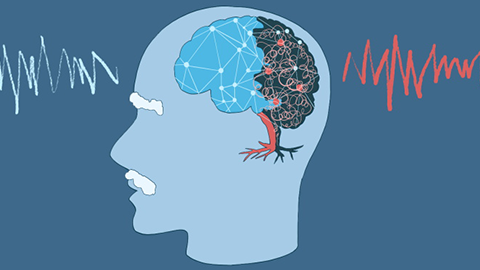
Patients should maintain a balanced routine combining work and rest, adhere to regular daily habits, avoid emotional agitation, and engage in moderate physical exercise. For those with dementia, psychiatric disorders, or mobility impairments, enhanced daily care is essential. Additionally, dietary control is critical: limit intake of animal fats and high-cholesterol foods—such as egg yolks, fatty meats, and organ meats—and avoid excessive sugar consumption. Instead, increase intake of vegetables, fruits, and kelp.

Smoking cessation is mandatory, as nicotine in tobacco induces arterial spasm and may precipitate arterial ischemia or cerebral infarction. We hope this information proves helpful to you.





