


How to Differentiate Femoroacetabular Impingement (FAI) from Synovitis
Aug 24, 2022
Source: Cainiu Health

Dr. Lin Yunfei
Introduction
Differentiating femoroacetabular impingement (FAI) from synovitis typically involves a comprehensive evaluation based on medical history, clinical presentation, and radiographic findings. If you frequently experience finger joint pain during household chores, often feel finger fatigue, or are frequently exposed to cold air or cold water, synovitis should be considered as a possible diagnosis. Radiographic imaging—specifically X-rays—should be performed clinically. In general, synovitis may manifest radiographically as changes in the finger joints on X-ray.
Synovitis is a common condition. Public awareness of synovitis remains limited. When symptoms arise, individuals often fail to recognize them promptly, leading to delayed diagnosis, missed optimal treatment windows, and disease progression. Consequently, accurate identification of synovitis has become a topic of growing public concern. So, how can one differentiate femoroacetabular impingement (FAI) from synovitis?
How to Differentiate Femoroacetabular Impingement (FAI) from Synovitis
Differentiation between FAI and synovitis typically relies on a comprehensive evaluation incorporating medical history, clinical presentation, and radiographic findings. If you frequently experience finger joint pain while performing household chores, feel persistent finger fatigue, or are regularly exposed to cold drafts or cold water, synovitis should be considered as a possible diagnosis. Radiographic imaging—specifically X-ray—is recommended in clinical practice. Typically, X-rays of synovitis reveal soft-tissue swelling around the finger joints; however, no bony proliferation or joint-space narrowing is observed in the finger joints or phalanges.
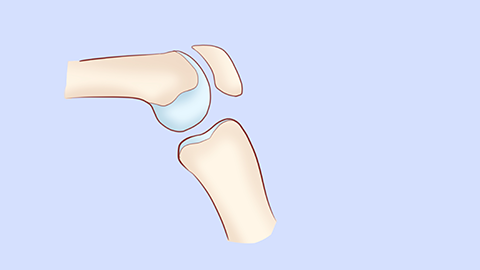
Most cases of knee synovitis result from the aforementioned knee injuries; however, it may also occur independently or secondarily to knee osteoarthritis—particularly among older adults. In contrast, most middle-aged and younger adults with knee synovitis have a history of acute knee injury. Following such injury, patients typically develop mild knee edema, pain, restricted mobility, and limping. A reactive synovial effusion usually appears within 6–8 hours post-injury, causing marked knee swelling, warmth, and severe activity intolerance. Physical examination reveals restricted active and passive flexion–extension of the knee, difficulty squatting accompanied by pain, localized tenderness around the joint, and a positive patellar floatation test.
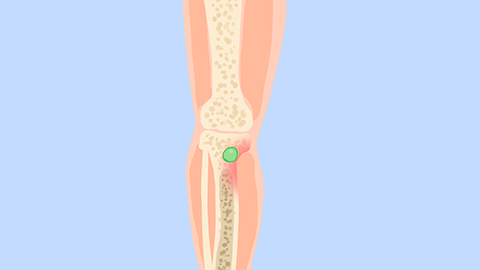
Patients are advised to maintain a positive mindset and avoid excessive psychological stress, as heightened stress may promote accumulation of acidic metabolic byproducts. We hope this information proves helpful.




