


What is angina pectoris?

In real life, experiencing angina pectoris is undoubtedly extremely uncomfortable for patients, often impairing their ability to work and carry out daily activities normally. Even if the condition is not severe, it must still be addressed promptly. So, what exactly is angina pectoris?
What Is Angina Pectoris?
Angina pectoris is an acute and transient clinical syndrome caused by myocardial ischemia and hypoxia, occurring on the basis of fixed, severe stenosis of the coronary arteries—typically triggered by increased myocardial workload. Its hallmark symptoms include paroxysmal chest pain with a sensation of pressure or suffocation, primarily localized behind the sternum and often radiating to the precordium and the medial aspect of the left upper limb. Episodes commonly occur during physical exertion and typically last several minutes. Pain gradually subsides with rest or administration of nitrate medications. Coronary angiography reveals ≥70% luminal narrowing in one, two, or three coronary arteries, each accounting for approximately 25% of cases. Approximately 5–10% of patients exhibit left main coronary artery stenosis, while the remaining 15% show no significant stenosis.
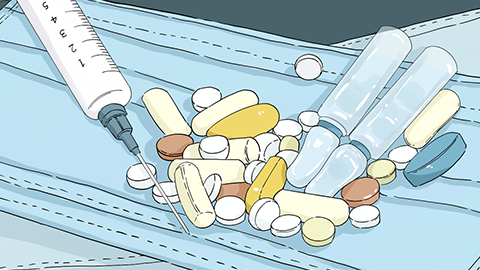
The prerequisite for treating angina pectoris is an accurate diagnosis—specifically, confirming that the patient has angina secondary to coronary artery disease (CAD). During an acute angina attack, immediate and effective treatment is essential. Most people know to place glyceryl trinitrate (nitroglycerin) sublingually—not chewed or swallowed—because oral ingestion subjects the drug to first-pass hepatic metabolism, reducing its effective absorption rate to only about 10%. Sublingual administration allows rapid absorption. In addition to nitroglycerin, many are familiar with Su Xiao Jiu Xin Wan (Fast-Acting Heart-Saving Pills), another effective remedy; taking approximately ten pills may help alleviate acute episodes.
For stable-phase management, secondary prevention strategies for angina should be implemented—for example, prescribing beta-blockers.

Depending on individual clinical circumstances, some patients may benefit from adding nitrates and antiplatelet agents. We hope this information proves helpful to you.


