


How is coronary heart disease diagnosed?

In real life, coronary heart disease (CHD) is a common and highly hazardous condition. It poses serious threats to patients’ health and causes them significant suffering. Prompt treatment of this disease is therefore essential. So, how is CHD diagnosed?
How Is Coronary Heart Disease Diagnosed?
Medical examinations play a crucial role in diagnosing CHD, including electrocardiography (ECG), coronary computed tomography angiography (CTA), serum testing, and coronary angiography. Clinically, diagnosis of CHD primarily relies on the patient’s symptoms. Typical manifestations include a crushing substernal chest pain triggered by exertion, physical activity, or emotional excitement—symptoms that typically subside with rest or after sublingual administration of nitroglycerin or other anti-anginal medications. Recurrent episodes unrelated to respiration are characteristic features of CHD and angina pectoris.
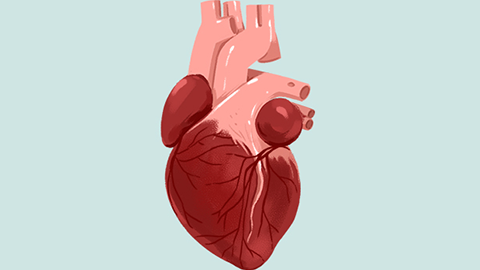
Patients diagnosed with CHD must exercise caution. Lifestyle modifications—including smoking cessation, alcohol abstinence, adherence to a low-fat diet, increased intake of fruits, vegetables, and foods rich in vitamins—and engagement in appropriate physical activity are strongly recommended. Once CHD is identified, timely medical intervention is critical to prevent progression to more severe, difficult-to-control stages. Management strategies may include adjustments to daily routines, pharmacotherapy, interventional procedures (e.g., percutaneous coronary intervention), or coronary artery bypass grafting (CABG).

Patients should follow a diet low in fat, salt, and cholesterol; avoid tobacco and alcohol; and maintain regular physical activity during weekdays. We hope this information proves helpful to you.


