


What causes sudden angina pectoris?
Aug 24, 2022
Source: Cainiu Health

Dr. Zhang Jianbin
Introduction
Sudden angina pectoris is caused by inadequate coronary artery blood supply. Patients experience transient myocardial ischemia or hypoxia, necessitating prompt treatment. When chest pain recurs, patients must rest in bed immediately. Additionally, patients often experience acute angina attacks, primarily triggered by excessive physical exertion or marked emotional fluctuations.
Many people—especially middle-aged and elderly individuals—are at high risk for angina pectoris and may experience its symptoms. However, due to limited medical knowledge and the mistaken belief that angina is not serious, many patients assume no treatment is necessary. In fact, angina can range from mild to life-threatening and must never be overlooked. So, what causes sudden onset of angina?
What Causes Sudden Angina?
Sudden angina results from inadequate blood supply through the coronary arteries. Patients experience transient myocardial ischemia or hypoxia, necessitating prompt medical intervention. When chest pain recurs, patients must immediately rest in bed. Additionally, acute angina attacks often occur due to excessive physical exertion or marked emotional fluctuations. Patients should maintain psychological well-being and strictly avoid smoking and alcohol consumption.

During an angina attack, patients should lie down and rest immediately and avoid consuming spicy or irritating foods. Overeating must also be avoided. In winter, maintaining warmth is essential, and medications must be taken regularly as prescribed. Chronic heavy alcohol consumption is a major contributor to coronary artery disease. After drinking, alcohol enters the bloodstream directly, causing elevated blood pressure and thereby triggering angina episodes. Spicy and stimulating foods—such as chili peppers, ginger, and scallions—should be minimized in the diet, as they may accelerate heart rate and precipitate angina.
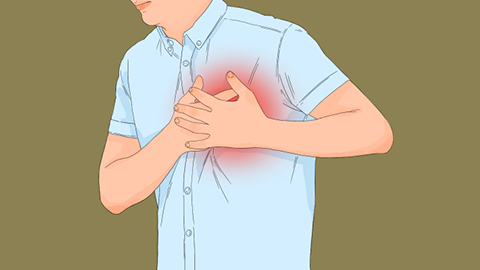
In daily life, patients should adhere to a regular, balanced diet—avoiding spicy, irritating, or overly rich foods—and refrain from binge eating or staying up late. We hope this information proves helpful.



