


What is angina pectoris?

Cardiovascular diseases have a high incidence rate, and angina pectoris is one such condition. Many people have heard of this disease and are aware of some of its characteristic symptoms during an episode; however, they may not fully understand it. So, what exactly is angina pectoris?
What Is Angina Pectoris?
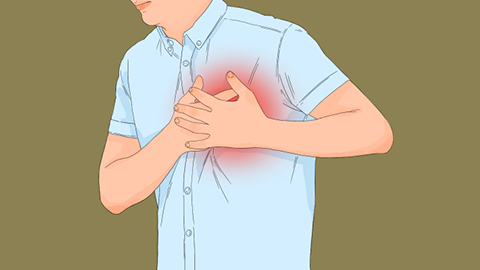
Angina pectoris refers to chest pain or discomfort caused by transient myocardial ischemia and hypoxia resulting from inadequate blood supply through the coronary arteries. Primarily, it represents the perception of cardiac ischemia projected onto the body surface, with associated characteristic pain patterns. The most common sensation is a crushing or pressure-like pain; episodes may also involve paroxysmal chest pain and other accompanying symptoms. Pain is typically localized behind the sternum but may radiate to other areas. Consequently, some individuals experience pain across the entire precordial region, and left upper limb pain may also occur.

Angina attacks commonly occur during physical exertion or emotional stress. Each episode typically lasts 3–5 minutes and may recur several times per day or once every few days. Symptoms usually subside with rest or after administration of targeted medications (e.g., nitrates). There is a gender difference in incidence: generally, men over age 40 are more susceptible—possibly due to factors such as fatigue and emotional fluctuations. Overeating, exposure to cold, rainy weather, or acute circulatory failure may also trigger angina episodes.
If you recognize any symptoms suggestive of this condition in daily life, seek prompt medical evaluation and diagnosis, and actively cooperate with your physician’s treatment plan. We hope this information has been helpful to you.


