


Can facial drooping caused by cerebral infarction recover?

Generally speaking, China has extensive experience in traditional Chinese medicine (TCM) treatment, and many people still prefer TCM for managing various health conditions. However, TCM treatment has its limitations and is not universally applicable—certain diseases cannot be treated solely with TCM. This must be carefully considered, and treatment decisions should always be based on the individual’s specific clinical circumstances. So, can facial drooping caused by cerebral infarction recover?
Can facial drooping caused by cerebral infarction recover?
Facial drooping resulting from cerebral infarction can fully recover. Such facial asymmetry falls under central facial palsy, a neurological condition caused by damage to the upper motor neurons in the brain. For instance, if the infarction occurs in the left cerebral hemisphere, it typically leads to right-sided central facial palsy. Clinical signs include shallowing of the right nasolabial fold and deviation of the mouth corner to the left when smiling or showing teeth; tongue paralysis often co-occurs. In such cases, prompt and aggressive management of the underlying cerebrovascular disease is essential. During the acute phase, standard medical therapy for cerebral infarction should continue for at least two weeks, followed by ongoing pharmacological treatment combined with rehabilitative physical therapy. If facial palsy improves within 3–6 months, it generally indicates no significant residual facial nerve dysfunction.
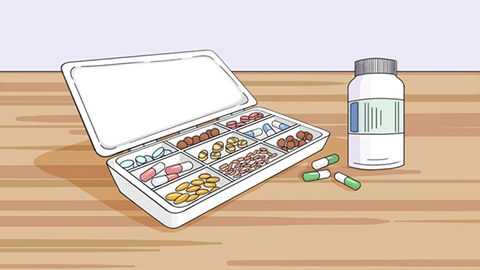
Patients recovering from cerebral infarction are advised to consume ample fresh fruits and vegetables and adhere to a low-salt, low-fat diet. Fruits and vegetables are rich in vitamins and trace elements. Additionally, supplementation with folic acid helps prevent hyperhomocysteinemia—a known independent risk factor for cerebrovascular disease that increases the likelihood of recurrent cerebral infarction. Therefore, preventive measures against hyperhomocysteinemia are crucial. Regular consumption of black fungus (wood ear) and onions may also benefit patients, as these foods help improve arterial elasticity and slow progression of atherosclerosis. Overall, dietary habits should remain low in salt and fat; excessive salt intake raises blood pressure, thereby increasing the risk of recurrent stroke.

When symptoms of cerebral infarction appear, prompt medical attention is vital to prevent disease progression and complications. We hope this information proves helpful.


