Can frequent ventricular premature contractions (VPCs) lead to sudden cardiac death?
Aug 24, 2022
Source: Cainiu Health

Dr. Li Man
Introduction
Frequent ventricular premature contractions (VPCs) carry a risk of sudden cardiac death, particularly when caused by organic heart disease; this is a relatively dangerous arrhythmia. Specifically, frequent VPCs associated with coronary artery disease, cardiomyopathy, myocarditis, valvular heart disease, or rheumatic valvular heart disease may trigger paroxysmal ventricular tachycardia, and the underlying disease itself can be life-threatening.
Often, due to pressures from work, daily life, and other stressors, many people experience varying degrees of physical impact. The body may respond in different ways, signaling that something is amiss. If these issues remain unaddressed, they can directly affect one’s quality of life. So—can frequent ventricular premature beats (VPBs) lead to sudden cardiac death?
Can frequent ventricular premature beats cause sudden cardiac death?
Yes, frequent ventricular premature beats carry a risk of sudden cardiac death—particularly when caused by underlying organic heart disease. This type of arrhythmia is considered relatively dangerous. Specifically, frequent VPBs associated with coronary artery disease, cardiomyopathy, myocarditis, valvular heart disease, or rheumatic valvular heart disease may trigger paroxysmal ventricular tachycardia; the underlying disease itself may be life-threatening. When combined with frequent VPBs, the overall risk of mortality increases.
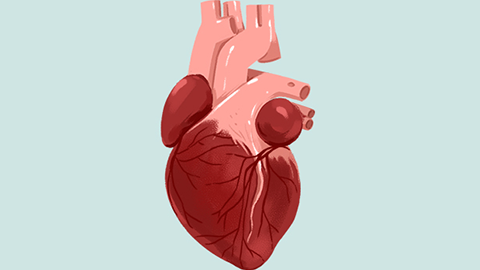
Patients with frequent ventricular premature beats should promptly seek medical evaluation and undergo appropriate diagnostic tests—including electrocardiography (ECG), Holter monitoring (ambulatory ECG), and echocardiography—to assess the frequency of VPBs and determine whether complications such as myocardial ischemia or impaired cardiac function are present. Under physician guidance, regular administration of antiarrhythmic medications may help reduce the frequency of VPBs.
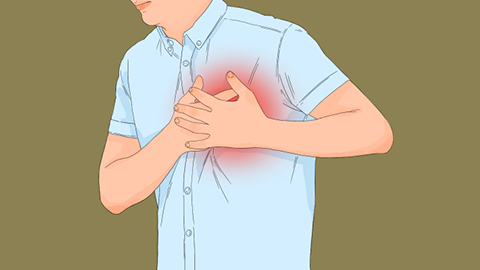
In daily life, patients should avoid excessive physical exertion, sleep deprivation, and intense exercise. They should also limit intake of stimulant beverages such as coffee and tea, which may disrupt autonomic nervous system function and precipitate premature beats. We hope this information is helpful to you.