


What Should Stroke Patients Eat to Aid Recovery?

Cerebral infarction is one of the cerebrovascular diseases. If improperly managed, it can severely compromise a patient’s health—and in severe cases, even endanger life and well-being. When patients experience symptoms such as dizziness, headache, or vomiting in daily life, what should they eat to support recovery?
What Should Cerebral Infarction Patients Eat to Support Recovery?
Patients with cerebral infarction should follow a low-salt, low-fat, and low-sugar diet. Meals should be light and nutritionally balanced—emphasizing high-protein, high-nutrient, and high-vitamin foods. Spicy, stimulating, or highly processed foods should be avoided. Recommended fruits include apples, oranges, pears, grapefruits, bananas, dragon fruit, and Hami melon. These fruits are generally safe for consumption unless the patient has diabetes. Easily digestible foods—such as steamed buns, flower rolls, and noodles—are also suitable. Additionally, green vegetables like celery, spinach, and oatmeal are encouraged.
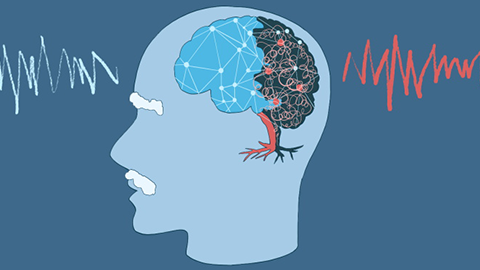
For patients in the acute phase of cerebral infarction, prompt medical intervention is essential. Treatment typically includes antiplatelet therapy, neuroprotective agents, and measures to improve cerebral blood circulation—alongside mitochondrial protection to alleviate neurological deficits. Antihypertensive medications—commonly long-acting agents such as amlodipine and irbesartan—are routinely prescribed. For glycemic control, oral metformin is generally used to help achieve optimal blood glucose targets.

Patients are encouraged to engage in regular aerobic exercise, such as walking, slow jogging, brisk walking, or cycling. We hope this information proves helpful.


