


What causes gastric spasms followed by arrhythmia?

In real life, some patients notice involuntary twitching or fluttering sensations in their upper abdomen (often misinterpreted as “stomach twitching”), causing significant psychological distress. This often leads them to worry whether they might have a serious underlying illness, resulting in persistent anxiety. So, what causes abdominal fluttering followed by arrhythmia?
What Causes Abdominal Fluttering Followed by Arrhythmia?
Abdominal fluttering accompanied by arrhythmia may stem from factors such as pulsation of large abdominal blood vessels (e.g., the aorta) or heightened psychological stress and anxiety. Arrhythmia itself can be triggered by various conditions—including cardiovascular disease, electrolyte imbalances, or poor dietary habits. Some patients maintain irregular eating and sleeping patterns, frequently staying up late or overworking—both well-established risk factors for arrhythmia. To help prevent arrhythmia, individuals should adopt regular daily routines, quit smoking and alcohol consumption promptly, and avoid excessive physical or mental strain. Moreover, many patients develop hypertension due to unhealthy dietary habits; uncontrolled hypertension, in turn, significantly increases the risk of arrhythmia. Therefore, once diagnosed with hypertension, timely pharmacological treatment and prompt physiological regulation are essential to prevent severe complications.
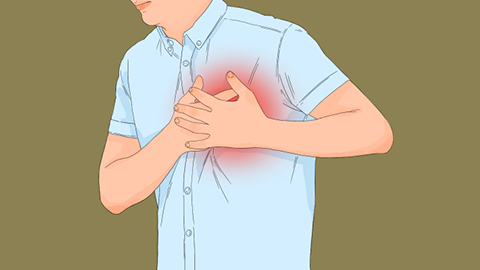
To manage arrhythmia effectively, patients must eliminate detrimental lifestyle habits. From a professional medical perspective, it is recommended to maintain consistent sleep–wake cycles—going to bed early and rising early—to ensure adequate rest, sufficient energy, and enhanced resilience against daily stressors. Patients should discontinue harmful habits such as smoking and alcohol consumption. Additionally, they should minimize all-nighters and strive for a balanced integration of work and rest.

In daily life, patients should cultivate a positive, calm mindset, actively cooperate with their physicians during treatment, strictly adhere to prescribed medication regimens (in terms of both timing and dosage), and pay close attention to routine self-care—thereby facilitating optimal disease control and faster clinical improvement. We hope this information proves helpful to you.


