


The referred pain of angina pectoris manifests as

Angina pectoris is a very common condition. Fluctuations in a patient’s emotional state, weather, ambient temperature, and vigorous physical activity can all exacerbate angina symptoms or trigger an episode. Once it occurs, angina impairs the heart’s normal blood-pumping function, leading to systemic functional abnormalities—and, in severe cases, even life-threatening consequences. This condition is primarily associated with alcohol consumption and smoking. So, what are the referred pain manifestations of angina?
Referred Pain Manifestations of Angina
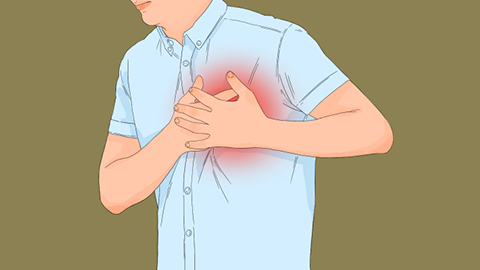
The classic presentation of angina is a sensation of pressure or tightness in the chest, which may radiate to the back or upper limbs. Some patients with angina may also experience chest tightness and elevated blood pressure. In individuals suffering from angina, a crushing or squeezing chest pain is one of the hallmark symptoms. This pain is typically not confined solely to the chest but often radiates to other areas—such as the back and upper limbs—causing significant discomfort. However, the duration of such pain usually does not exceed 30 minutes.

Chest tightness is another common symptom of angina. Patients often describe a feeling of constriction or fullness in the chest, accompanied by marked discomfort. In more severe cases, they may develop dyspnea (shortness of breath). Elevated blood pressure may also occur in angina; however, this is not a typical or specific feature, as numerous other conditions can similarly cause hypertension. Individuals with a prior history of angina should monitor their blood pressure regularly; any abnormal readings warrant prompt medical evaluation.
Patients are advised to seek timely medical care at a hospital upon recognizing symptoms suggestive of angina. We hope this information has been helpful to you.


