


Differences Between Atrial and Ventricular Premature Beats
Aug 24, 2022
Source: Cainiu Health

Dr. Li Man
Introduction
Atrial premature beats (APBs) and ventricular premature beats (VPBs) differ in both electrocardiographic (ECG) manifestations and treatment. ECG features of VPBs include prematurely occurring, broad, and bizarre QRS complexes; the ST segment and T wave are directed opposite to the main deflection of the QRS complex. The coupling interval is constant, and there is a complete compensatory pause. In contrast, ECG features of APBs include premature P waves.
Some individuals, particularly after experiencing emotional stress, often develop symptoms such as palpitations and chest tightness—especially upon waking each morning, when these symptoms tend to worsen. In such cases, ventricular premature contractions (VPCs) are highly likely. So, what distinguishes atrial premature contractions (APCs) from ventricular premature contractions?
Differences Between Atrial and Ventricular Premature Contractions
Atrial and ventricular premature contractions differ in both electrocardiographic (ECG) features and management approaches.
ECG Characteristics:
- Ventricular premature contractions: Characterized by premature, wide, and bizarre QRS complexes; the ST segment and T wave deflect in the opposite direction to the main deflection of the QRS complex. The coupling interval is constant, and there is a complete compensatory pause.
- Atrial premature contractions: Characterized by premature P waves that differ in morphology from sinus P waves. The QRS complex is typically normal in appearance, and an incomplete compensatory pause is present.
Treatment:
- Atrial premature contractions are frequently functional (i.e., not associated with structural heart disease) and usually require no specific treatment.
- Ventricular premature contractions commonly occur in patients with organic heart disease and often necessitate pharmacologic therapy; catheter radiofrequency ablation may be indicated in selected cases.
The clinical significance of premature contractions is highly complex. Approximately 50% of healthy individuals exhibit premature contractions. They also occur frequently in patients with cardiac disease, heart failure, or respiratory failure—and in rare instances, malignant arrhythmias triggered by premature contractions can lead to sudden cardiac death. In otherwise healthy individuals, benign premature contractions have no impact on quality of life. However, when premature contractions exceed 20,000 per day—or account for more than 20% of total heartbeats—there is a 15% risk of progressive left ventricular dilation and declining cardiac function over time. Conversely, 85% of such individuals remain asymptomatic throughout life, with no adverse effects on quality of life or cardiac function. Therefore, this subgroup is often described as having “potentially hazardous” premature contractions.
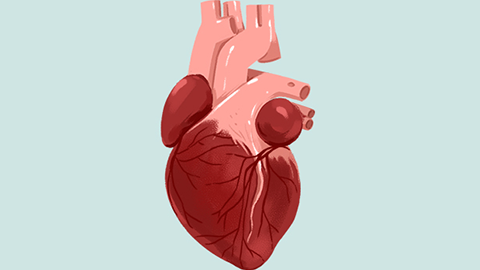
We recommend that patients seek timely medical evaluation and treatment upon noticing symptoms. We hope this information proves helpful.




