What causes angina pectoris?
Aug 24, 2022
Source: Cainiu Health

Dr. Li Man
Introduction
The primary cause of angina pectoris is coronary artery atherosclerosis, which leads to the formation of plaques. These plaques narrow the coronary arteries; the more severe the narrowing, the higher the likelihood of developing angina. Typically, angina occurs during physical exertion. Another type of angina is triggered by plaque rupture and subsequent thrombus formation, resulting in luminal narrowing or occlusion. In such cases, in addition to angina…
Angina pectoris is a type of coronary heart disease. Its most common cause is coronary artery atherosclerosis—namely, atherosclerotic changes in the coronary arteries that supply blood to the myocardium. This condition leads to acute myocardial ischemia and impairs blood supply to the heart muscle. At this point, patients typically experience a constellation of symptoms including chest pain, diaphoresis (excessive sweating), fatigue, and chest tightness. So, what causes angina pectoris?
What Causes Angina Pectoris?
The primary cause of angina pectoris is coronary artery atherosclerosis, which results in the formation of atherosclerotic plaques. These plaques narrow the coronary artery lumen; the more severe the stenosis, the higher the likelihood of developing angina. Typically, angina occurs during physical exertion. Another type of angina arises from plaque rupture and subsequent thrombus formation, leading to significant luminal narrowing or even complete occlusion. In such cases, in addition to angina, acute myocardial infarction may also occur. The underlying etiology of angina is coronary artery atherosclerosis, and risk factors—including hypertension, hyperlipidemia, hyperglycemia, and smoking—contribute to endothelial injury and arterial wall damage.
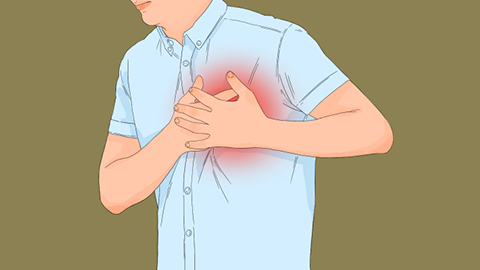
Endothelial injury triggers platelet activation and aggregation on the vessel wall, promoting atherosclerotic plaque formation. As the lumen narrows, myocardial ischemia and hypoxia ensue, disrupting the balance between myocardial oxygen supply and demand—ultimately resulting in angina. Another contributing mechanism involves coronary artery spasm induced by certain factors, causing transient myocardial ischemia and hypoxia, thereby precipitating angina.
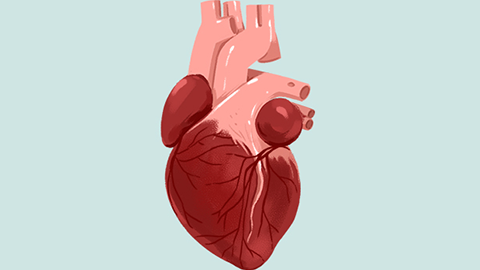
In daily life, patients should maintain a positive mental outlook, actively cooperate with physicians in treatment, take prescribed medications regularly and in correct dosages, and pay close attention to routine self-care—thus facilitating prompt clinical improvement. We hope this information proves helpful to you.