


Hazards of Mumps

Mumps is an inflammatory disease caused by viral or bacterial infection. Although the condition is generally not life-threatening, failure to treat it promptly may lead to a range of complications. Therefore, heightened awareness and timely preventive measures are essential. So, what are the potential harms associated with mumps?
Hazards of Mumps
Mumps manifests in several forms, and its adverse effects may include marked local swelling. Some patients experience high fever, muscle aches, bilateral parotid gland swelling, and generalized weakness. The specific risks depend on the type of mumps. If improperly treated, mumps can lead to serious complications—for instance, orchitis in boys and oophoritis in girls. During active mumps infection, patients commonly develop high fever, muscle aches, bilateral parotid swelling, and intensified pain when consuming acidic foods.
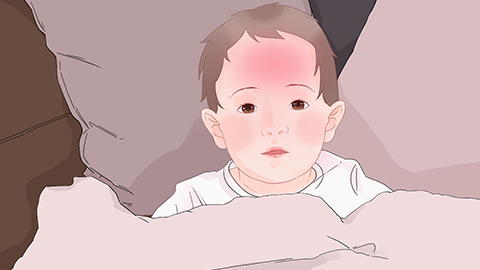
In acute suppurative parotitis, the acute suppurative phase is typically characterized by pronounced local swelling, with purulent discharge from the parotid duct opening and localized pain. Severe cases may spread systemically or involve adjacent tissues, potentially resulting in cellulitis or intracranial infection, along with symptoms such as high fever, body aches, and muscle weakness. Chronic recurrent parotitis most commonly affects infants and children around five years of age and generally carries a favorable prognosis. During active episodes, patients may experience recurrent swelling, pain, and tenderness in the parotid region—but the condition is usually curable.
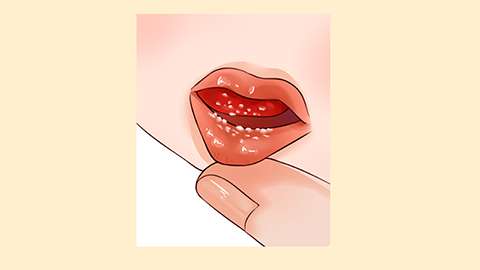
If symptoms suggestive of this condition appear in daily life, prompt medical evaluation and diagnosis are crucial, and patients should actively cooperate with their physicians during treatment. We hope this information has been helpful to you.


