


Does Guipi Wan treat insomnia?

Many people interpret the therapeutic effects of Guipi Wan literally, assuming it only improves spleen function. In fact, Guipi Wan is widely used in clinical practice of Traditional Chinese Medicine (TCM). It can be employed to regulate various conditions—including spleen deficiency, anemia, and neurasthenia—regardless of whether patients present with corresponding symptoms. So, does Guipi Wan treat insomnia?
Does Guipi Wan Treat Insomnia?
Yes, Guipi Wan can be used to treat insomnia. Its primary actions include tonifying Qi and strengthening the Spleen, nourishing Blood and calming the Shen (spirit), and addressing dual deficiency of the Heart and Spleen. It is indicated for symptoms such as shortness of breath, palpitations, insomnia with frequent dreams, dizziness or headache, fatigue in the limbs, and poor appetite. In other words, Guipi Wan is effective for insomnia caused by deficiency of Qi and Blood. However, its efficacy is less pronounced for insomnia arising from other etiologies.
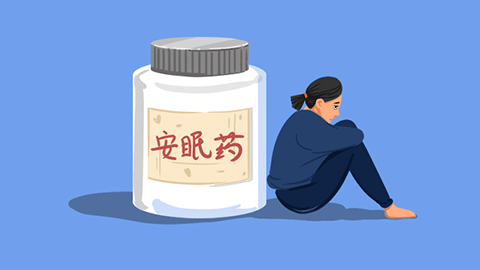
Insomnia has numerous potential causes. It is advisable to identify the underlying cause and implement targeted treatment accordingly. If left untreated over a prolonged period, chronic insomnia may lead to neurological impairment and hypertension; therefore, insomnia should not be overlooked. In daily life, individuals should adjust their routines, maintain regular sleep-wake cycles, and avoid excessive physical or mental exertion. Diet also requires attention: consume more fresh vegetables and fruits, and avoid foods high in cholesterol and saturated fat. Drinking a glass of warm milk before bedtime may help alleviate insomnia.

If disease-related symptoms appear in daily life, timely medical evaluation and diagnosis are essential, and active cooperation with healthcare providers during treatment is strongly recommended. We hope this response has been helpful to you.


