


Cardiovascular arteriosclerosis

Arteriosclerosis itself is a systemic disease that predominantly affects older adults and represents a clear manifestation of arterial aging. As arteriosclerosis progresses, arterial stenosis—or even complete arterial occlusion—may occur. Whether it manifests as stenosis or tumor-like arterial dilation, the ultimate consequences are generally severe. So, what exactly is cardiovascular arteriosclerosis?
Cardiovascular Arteriosclerosis
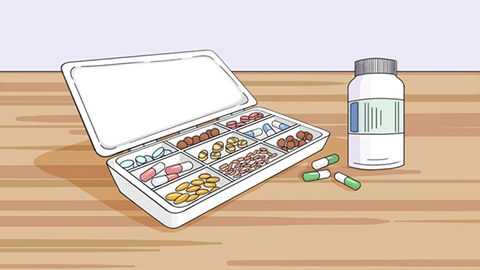
Cardiovascular arteriosclerosis can be managed effectively with pharmacotherapy. Cardiovascular arteriosclerosis is essentially atherosclerosis—the accumulation of lipid plaques, cholesterol, and low-density lipoprotein (LDL) within the vascular intima, leading to plaque formation and hardening of the arterial wall. In such cases, routine monitoring of serum lipid and glucose levels is essential. Long-term lipid-lowering therapy and chronic low-dose aspirin administration are typically recommended. With consistent medication adherence, combined with appropriate physical activity and dietary modifications, most patients can successfully control or slow the progression of atherosclerotic plaques, thereby achieving favorable outcomes in the management of arteriosclerosis.
Cardiovascular arteriosclerosis is both common and highly dangerous. Major risk factors include hyperlipidemia, hyperglycemia, and hypertension; individuals aged 40 years and older, especially postmenopausal women; and long-term smokers and heavy alcohol consumers. Elevated blood glucose, lipid, and blood pressure levels damage vascular endothelial cells, promoting cardiovascular arteriosclerosis and plaque formation. Coronary artery atherosclerosis leads to luminal narrowing, reduced coronary blood flow, myocardial ischemia, hypoxia-induced angina pectoris, and ultimately contributes to the onset and progression of acute myocardial infarction.

Patients with elevated blood pressure, lipid levels, or blood glucose are strongly advised to actively treat these underlying conditions, adopt healthy lifestyle habits—including smoking cessation and alcohol abstinence—and follow a low-fat, low-sodium diet. We hope this information proves helpful to you.


