


What Should Elderly People with Arteriosclerosis Eat?

Arteriosclerosis itself is a systemic disease that predominantly affects older adults and represents a clear manifestation of arterial aging. As arteriosclerosis progresses, arterial stenosis—or even complete occlusion—may occur. Whether it manifests as stenosis or tumor-like arterial dilation, the eventual outcomes tend to be severe. So, what should elderly individuals with arteriosclerosis eat?
What Should Elderly Individuals with Arteriosclerosis Eat?
Elderly individuals with arteriosclerosis are advised to consume deep-sea fish or kelp. Deep-sea fish are rich in unsaturated fatty acids, which effectively lower blood cholesterol levels. Kelp contains fucoidan—a compound with heparin-like anticoagulant properties—that helps prevent thrombosis, thereby reducing cholesterol and halting further progression of arteriosclerosis. Older adults should quit smoking and alcohol consumption, engage in appropriate physical exercise, ensure adequate rest, reduce overall caloric intake, and increase consumption of fruits and vegetables—all of which provide significant protective benefits against arteriosclerosis.
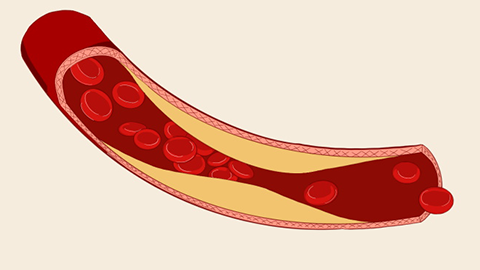
Elderly patients with arteriosclerosis must control modifiable risk factors in daily life—including maintaining optimal blood glucose and blood pressure levels, stabilizing lipid profiles, actively managing body weight, and abstaining from tobacco and alcohol. They should also prioritize low-salt, low-fat, and low-sugar foods; minimize intake of foods high in saturated fats and cholesterol; limit sweets and sugar-sweetened beverages; and engage in tailored physical activity according to their individual health status.
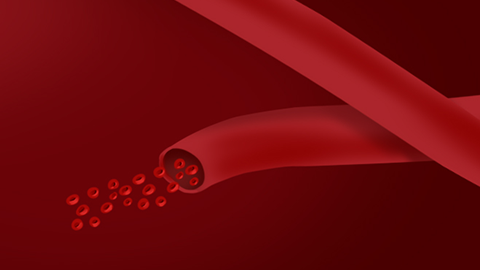
In daily life, dietary habits should be standardized: avoid spicy and irritating foods, and refrain from binge eating or overeating. Also avoid staying up late. We hope this information proves helpful.


