


What Should You Eat to Prevent Cerebral Arteriosclerosis?

After cerebral arteriosclerosis develops, patients are prone to syndromes such as neurasthenia. For instance, some patients experience headaches and fatigue, while others develop sleep disorders due to cerebral arteriosclerosis, thereby impairing daily rest. Therefore, patients must maintain healthy lifestyle habits—particularly by limiting intake of high-fat and high-cholesterol foods—to prevent vascular damage. So, what foods help prevent cerebral arteriosclerosis?
Foods That Help Prevent Cerebral Arteriosclerosis
Fresh fruits and vegetables, foods rich in unsaturated fatty acids, and high-quality protein can help prevent cerebral arteriosclerosis. Consuming ample fresh vegetables and fruits is beneficial; apples, oranges, grapefruits, bananas, and tangerines are excellent choices. Leafy greens such as cabbage, Chinese cabbage, radishes, and cauliflower are also highly recommended and particularly helpful for patients. Additionally, foods rich in unsaturated fatty acids—including deep-sea fish, walnuts, and sesame seeds—should be included regularly in the diet. High-quality protein sources—such as skim milk, beef, and lamb—should also be consumed in moderation.
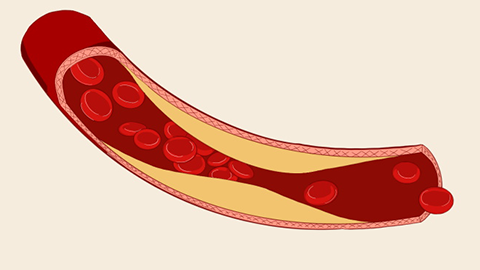
Treatment of cerebral arteriosclerosis is highly complex. Diagnosis and differential diagnosis must be conducted under the guidance of a qualified physician and may involve essential laboratory tests, color Doppler ultrasound, and cerebral blood flow imaging. Once diagnosed, evaluation of cerebral arteriosclerosis typically considers factors such as patient age, underlying conditions (e.g., diabetes or hyperlipidemia), and findings from color Doppler ultrasound—especially the presence of arterial plaques.
In daily life, patients should adhere to a disciplined diet—avoiding spicy, irritating, or overly rich foods, refraining from binge eating, and ensuring adequate sleep to prevent late-night activity. We hope this information proves helpful.


