


Is bilateral carotid artery atherosclerosis serious?

Carotid artery sclerosis primarily refers to degenerative changes in the carotid arteries—such as reduced vascular wall elasticity and hardening—leading to the formation of arterial plaques and progressive luminal narrowing. Carotid artery sclerosis is part of systemic arteriosclerosis and results from the combined effects of multiple factors. So, is bilateral carotid artery sclerosis serious?
Is bilateral carotid artery sclerosis serious?
Bilateral carotid artery sclerosis is generally not serious. As patients age, systemic blood vessels naturally undergo hardening. In adults, atherosclerotic changes typically begin around age 18. Bilateral carotid artery sclerosis alone merely indicates diminished vascular elasticity; in most cases, no atherosclerotic plaques or significant stenosis are detected. Patients should adopt a light diet, consume more fresh fruits and vegetables, and avoid spicy or irritating foods. If diagnosed with arteriosclerosis, there is usually no need for excessive concern—this simply reflects age-related vascular changes, underscoring the importance of reducing intake of high-fat foods, quitting smoking, and limiting alcohol consumption.
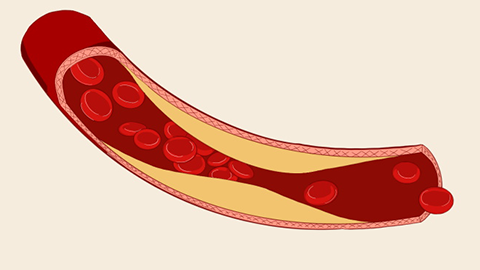
Maintaining healthy lifestyle habits and controlling blood pressure and blood glucose levels can help slow the progression of arteriosclerosis. If color Doppler ultrasound reveals atherosclerotic plaques, blood tests should be performed in addition to dietary modifications. It is recommended to take lipid-lowering medications—such as rosuvastatin—to reduce serum lipid levels, retard the development of atherosclerosis, and prevent cardiovascular and cerebrovascular events.
In daily life, patients should maintain a positive mindset, actively cooperate with their physicians’ treatment plans, take prescribed medications consistently and at the correct dosage, and pay attention to routine self-care—thereby facilitating prompt improvement of their condition. We hope this response has been helpful to you.


