


Can increased blood viscosity cause hypotension?

Often, due to pressures from work, daily life, and other stressors, many people experience varying degrees of physical impact. The body may respond with different symptoms, signaling that something is amiss. If these issues remain unaddressed, they can directly affect one’s quality of life. So, can blood viscosity (hyperviscosity) cause low blood pressure?
Can blood viscosity cause low blood pressure?
Blood viscosity commonly contributes to low blood pressure. Generally, increased blood viscosity slows blood flow and reduces cerebral perfusion pressure, leading to insufficient cerebral blood supply and consequently causing hypotension. Low blood pressure may be either primary (idiopathic) or secondary—for instance, other chronic diseases often serve as underlying triggers. In daily life, it is advisable to consume more vegetables and fruits rich in vitamins while minimizing dietary fat intake. Combining lean meats with vegetables in meals and engaging in regular physical activity can help enhance immune function.
Individuals with low blood pressure may benefit from moderately increasing their intake of lean meats, fish, shrimp, and egg yolks to improve nutritional status. Consistent, appropriate physical exercise also helps elevate blood pressure. Patients should further investigate the underlying causes of their hypotension; cardiac conditions—such as heart disease or myocardial ischemia—are frequent contributors. Pharmacological interventions aimed at improving circulation and increasing intravascular volume may be beneficial. Additionally, foods such as longan fruit, lotus seeds, and red dates are traditionally recommended for nourishing the heart and blood, and may exert a mild blood-pressure-raising effect.
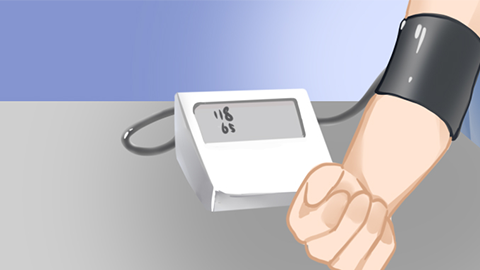
In daily life, patients should maintain a positive attitude, actively cooperate with medical treatment, take prescribed medications regularly and as directed, and pay close attention to routine self-care—thus facilitating prompt clinical improvement. We hope this information proves helpful.


