


If three consecutive generations have cataracts, will they be passed on to the fourth generation?

After developing cataracts, you should not dismiss the condition lightly—but neither should you become overly anxious about it. Once diagnosed with cataracts, it is essential to seek professional medical treatment at a hospital to achieve optimal outcomes. Cataract development is closely associated with aging and genetic factors. So, if three consecutive generations in a family have had cataracts, will the condition be passed on to the fourth generation?
Will cataracts affect the fourth generation if they have occurred in three preceding generations?
Cataracts come in various types—some are hereditary, while others are not. Age-related (senile) cataracts and traumatic cataracts acquired later in life are generally non-hereditary. In contrast, certain congenital cataracts may carry a genetic risk. The primary cause of cataracts is degeneration and coagulation of lens fibers, leading to opacification in the anterior portion of the eye that obstructs light transmission to the retina, thereby impairing vision.
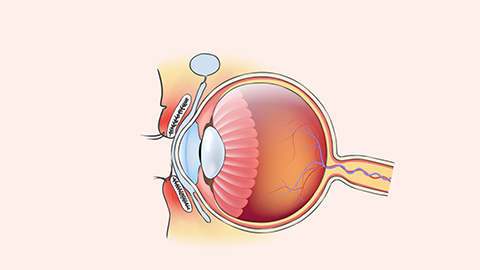
Congenital cataracts primarily involve lens opacity. If the opacity affects the central region—such as the anterior or posterior capsule—vision may be severely compromised, warranting prompt surgical intervention. For patients with congenital cataracts, clinicians should assess for a family history and closely monitor siblings for signs of cataracts. Routine eye hygiene, avoiding excessive visual strain, and performing eye exercises during periods of ocular fatigue are recommended preventive measures.

If symptoms suggestive of cataracts appear in daily life, timely diagnosis and treatment are crucial; active cooperation with healthcare providers is strongly advised. We hope this information proves helpful to you.


