


Cerebral arteriosclerosis

Arteriosclerosis itself is a systemic disease that occurs more frequently in elderly individuals. It represents a clear manifestation of arterial aging. As arteriosclerosis progresses, arterial stenosis—or even complete arterial occlusion—may develop. Whether resulting in stenosis or tumor-like arterial dilation, the ultimate consequences are generally severe. So, what about cerebral arteriosclerosis?
Cerebral Arteriosclerosis
Cerebral arteriosclerosis arises from chronic cerebral hypoperfusion, leading to progressive decline in brain function. Clinically, it primarily manifests as late-stage neurological dysfunction. In its early stages, patients commonly experience dizziness and headache. As the disease advances, arteriosclerotic dementia may develop, characterized by declining cognitive function. If the lesions involve both corticobulbar tracts, patients often present with pseudobulbar palsy, including symptoms such as choking while drinking water, slow gait, blurred vision, tinnitus, hearing loss, limb numbness, fatigue, insomnia, and other sleep disturbances. With progressive worsening of cerebral arteriosclerosis, patients become increasingly susceptible to ischemic stroke.

The development of cerebral arteriosclerosis is closely associated with hyperlipidemia, hypertension, and diabetes mellitus. Common presenting symptoms include headache, dizziness, and fatigue. Lipid-lowering agents—such as lovastatin—may be prescribed by physicians for obese or hyperlipidemic patients to regulate lipid metabolism and slow disease progression. Antiplatelet agents—including aspirin—may also be recommended by physicians to prevent thrombus formation and reduce the risk of vascular occlusion; however, clinicians must remain vigilant regarding potential risks of intracranial hemorrhage or bleeding at other sites.
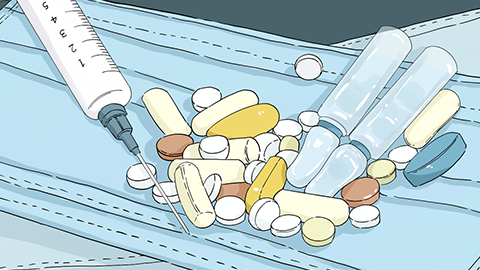
Patients are advised to use antihypertensive medications—such as nitrendipine—as directed by their physicians to maintain blood pressure within the normal range. We hope this information proves helpful to you.


