


Where to Apply Moxibustion for Cerebral Arteriosclerosis

Cerebral arteriosclerosis is a common chronic degenerative disease among middle-aged and elderly individuals. It predisposes patients to complications such as stroke and dementia. Therefore, early attention should be paid to symptoms like dizziness and memory loss. Early detection and treatment are crucial for recovery. So, which acupoints should be targeted for moxibustion in cerebral arteriosclerosis?
Which Acupoints Are Used for Moxibustion in Cerebral Arteriosclerosis?
Commonly selected acupoints for moxibustion in cerebral arteriosclerosis include Zusanli (ST36), Fengchi (GB20), Sanyinjiao (SP6), and Fenglong (ST40), primarily along the stomach, gallbladder, and spleen meridians. Moxibustion at these points may help relax the carotid arteries, improve carotid blood flow, and reduce serum lipid levels—thereby lowering the atherosclerotic index and achieving therapeutic effects against carotid atherosclerosis. However, individuals without specialized training may not accurately locate these acupoints; therefore, those seeking moxibustion therapy should visit a reputable hospital and receive treatment administered by qualified professionals.
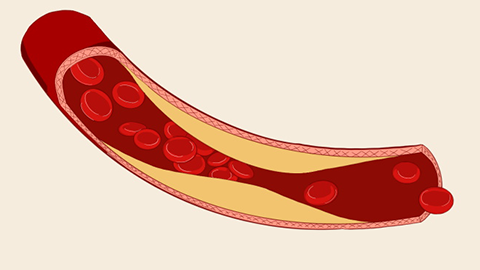
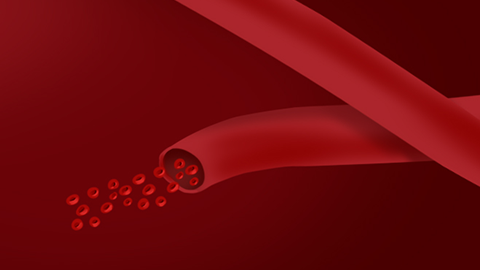
Cerebral arteriosclerosis is a systemic form of arteriosclerosis characterized by reduced vascular elasticity, lipid deposition within the vessel wall forming plaques, and vascular inflammation. These pathological changes can lead progressively to arterial narrowing and eventual occlusion—or to plaque rupture and distal embolization.
In daily life, patients should maintain an optimistic mindset, actively cooperate with their physicians’ treatment plans, take prescribed medications regularly and in correct dosages, and pay close attention to routine self-care—so as to facilitate prompt clinical improvement. We hope this response has been helpful to you.


