


How low is the hypotension?

Due to the accelerated pace of modern life and increased psychological stress, many individuals experience blood pressure issues—often stemming from unhealthy dietary habits or nutritional deficiencies. Therefore, greater attention should be paid to blood pressure in daily life to ensure a healthy diet and adequate nutritional intake. Some people develop low blood pressure due to irregular meal schedules; but how low is considered hypotension?
What Constitutes Low Blood Pressure?
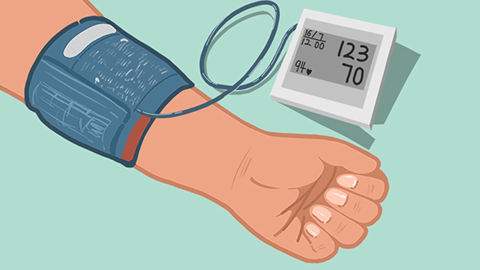
A systolic blood pressure below 90 mmHg and a diastolic blood pressure below 60 mmHg are clinically defined as hypotension. When hypotension occurs, identifying its underlying cause is essential. The most common presentation is in young women—a condition often related to individual constitutional factors. In general, it can be improved through appropriate nutritional enhancement and regular physical exercise. In some cases, hypotension results from specific diseases, particularly chronic wasting conditions (e.g., malignancies, tuberculosis), acute illnesses, major trauma-induced hemorrhage, or cardiogenic shock secondary to acute myocardial infarction.

Individuals with hypotension should focus on enhancing their nutritional intake, as inadequate nutrition may contribute to low blood pressure. Traditional Chinese medicine (TCM)–based supplementation may be considered—for example, consuming longan fruit (dimocarpus longan) and ginger. Patients should avoid foods or substances known to lower blood pressure and may moderately increase salt intake, which can help improve blood pressure levels.
In daily life, individuals should maintain regular, balanced meals—avoiding spicy, stimulating, or overly rich foods, refraining from binge eating, and ensuring adequate sleep to prevent late-night activity. We hope this information proves helpful.


