


Is dental implant surgery painful?
Aug 24, 2022
Source: Cainiu Health

Dr. Zhang Liwen
Introduction
Dental implants are generally easy to use and painless. Local anesthesia is administered prior to implant placement, and the anesthetic itself is essentially painless. Some discomfort may occur after the anesthesia wears off, but this can be effectively managed with analgesics. Swelling may develop following implant surgery and can be treated with dexamethasone or cold compresses. Sutures should be removed approximately ten days after completion of the dental implant procedure.
Dental implants, also known as implant-supported dentures, are bioengineered prosthetic teeth. Based on changes in the alveolar bone and jawbone following tooth loss, dentists select appropriately shaped implants—serving as artificial tooth roots—and surgically place them into the jawbone. Subsequently, abutments and crowns are attached to the portion of the implant protruding into the oral cavity, restoring both the natural appearance and functional capacity of the missing tooth. So, is dental implant surgery painful?
Is dental implant surgery painful?
Dental implant procedures are generally straightforward and virtually painless. Implants are placed only under local anesthesia, which itself is typically painless. Some mild discomfort may occur after the anesthetic wears off, but this can be effectively managed with over-the-counter or prescribed analgesics. Swelling may develop postoperatively and can be alleviated using dexamethasone or cold compresses. Sutures are usually removed approximately ten days after surgery. As a minimally invasive procedure, dental implant placement is significantly less painful than tooth extraction.
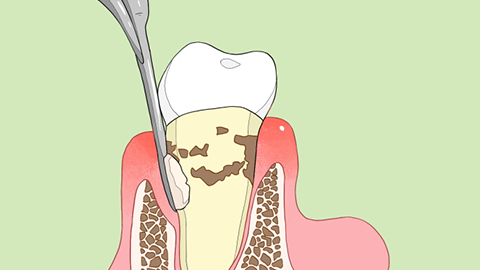
Suture placement causes no pain. Approximately three months later, if optimal osseointegration—the stable biological bonding between the implant and surrounding bone—is confirmed, the second-stage surgery can proceed. This stage also requires only local anesthesia and is essentially painless. About ten days after the second-stage surgery, the final prosthesis (crown or bridge) can be placed; this restoration phase is likewise pain-free. Therefore, in general, patients experience no pain during or after dental implant treatment.
If you notice any symptoms suggestive of disease, seek timely medical evaluation and actively cooperate with your healthcare provider’s treatment plan. We hope this information has been helpful to you.


