


Why Do Overweight Individuals Sometimes Experience Hypotension?

In our daily lives, hypertension is not only very common but—contrary to what the text states—hypotension (low blood pressure) is also prevalent. This condition frequently occurs among elderly individuals and women. There are numerous potential causes of hypotension, and it can pose certain health risks. Many people naturally wonder: Why do some overweight or obese individuals experience low blood pressure?
Why Do Overweight Individuals Experience Low Blood Pressure?
Generally speaking, the incidence of hypotension is not necessarily linked to obesity. In obese individuals, hypotension may stem from primary (idiopathic) hypotension, which could be associated with genetic factors. Acute, significant blood loss, severe infection, dehydration, or allergic reactions can cause a sudden drop in blood pressure leading to hypotension. Additionally, hypotension may result from underlying conditions such as thyroid disorders, adrenal insufficiency, or congenital heart disease. Orthostatic hypotension—temporary blood pressure reduction upon abruptly transitioning from lying down to standing up—can also occur. Since obesity may coexist with hypotension, affected individuals should consult a cardiologist for comprehensive evaluation and diagnostic testing to identify the precise underlying cause and receive targeted treatment aimed at restoring normal blood pressure.
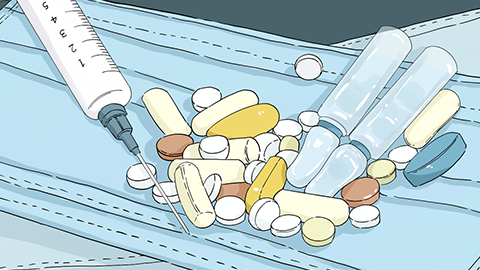
Individuals with hypotension must pay special attention to their diet to strengthen their constitution. They should consume foods rich in vitamins, especially since anemia is a common contributing factor to hypotension; thus, iron- and protein-rich foods—including legumes and lean meats—are particularly beneficial. Most patients with hypotension present with general physical weakness and require appropriate nutritional support. Importantly, the root cause of hypotension must be identified and addressed: if attributable to tuberculosis or other systemic illnesses, prompt treatment is essential. For those with orthostatic hypotension, extra caution is advised when rising from a supine to upright position—gradual movement, gentle muscle engagement, or using supportive aids (e.g., holding onto furniture) can help prevent falls due to dizziness or lightheadedness.
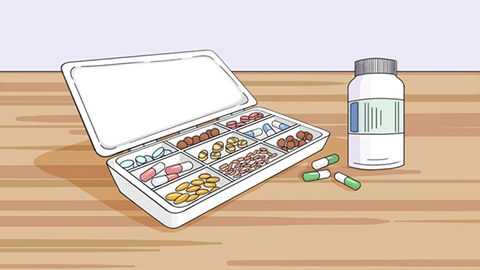
Patients are advised to moderately increase intake of iron-rich foods—such as animal liver—and consume slightly more sodium-containing foods to help maintain adequate intravascular volume. In daily life, consuming ample vegetables and fruits is also recommended. We hope this information proves helpful to you.


