


Does hip synovitis cause referred pain?

Hip synovitis is a common condition affecting many patients. The primary pathological changes occur in the hip joint, and the impact on patients can be particularly severe. Once diagnosed with hip synovitis, patients must pay close attention—especially by pursuing prompt and active treatment. This condition not only impairs physical mobility but may also significantly affect patients’ daily life and psychological well-being. So, does hip synovitis radiate?
Does hip synovitis radiate?
No, hip synovitis does not radiate. Upon onset, patients should promptly visit an orthopedic outpatient clinic, where an orthopedic specialist will formulate an appropriate treatment plan. In the early stages, conservative management is typically recommended: under medical supervision, oral administration of celecoxib capsules and loxoprofen sodium, combined with physical therapies such as ultrashort-wave and microwave treatments. Additionally, rehabilitation exercises, relative immobilization of the hip joint, and adequate rest can effectively alleviate symptoms for most patients with synovitis. For severe cases, arthroscopic minimally invasive surgery may be considered to remove inflamed synovial tissue, reduce joint swelling, and restore joint range of motion.

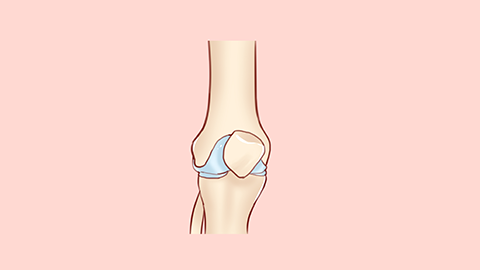
Patients with hip synovitis commonly experience joint swelling (edema). The synovial membrane is a thin layer of tissue surrounding the joint—not only serving as a protective barrier but also producing synovial fluid to lubricate joint movement. Synovial fluid production and absorption normally maintain a dynamic equilibrium; however, when reabsorption is impaired, this balance is disrupted, leading to fluid accumulation.
In daily life, patients should maintain a positive mindset, actively cooperate with their physicians, take prescribed medications regularly and as directed, and adhere to proper self-care practices—thereby facilitating timely improvement of their condition. We hope this information proves helpful to you.


