


Can knee synovitis cause sudden pain?

When the knee joint remains in a fixed, single-joint position for an extended period, excessive physical activity can lead to hyperemia and edema of the synovial tissue—changes that correlate positively with increased intra-articular pressure and decreased partial pressure of oxygen (pO2). When the rate of fluid exudation exceeds the synovium’s capacity for compensatory absorption, joint effusion occurs, perpetuating a vicious cycle of continuously rising intra-articular pressure and progressively declining pO2. So, can knee synovitis cause sudden, acute pain?
Can knee synovitis cause sudden, acute pain?
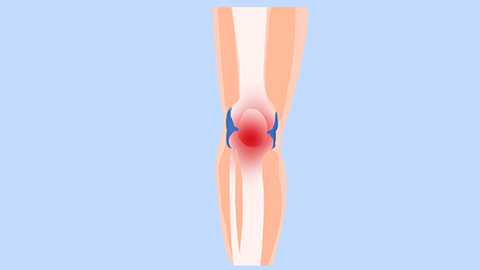
Yes, knee synovitis can indeed cause sudden, acute pain. Acute synovitis is characterized by redness, warmth, pain, and rapid-onset swelling of the knee joint; the pain may be severe enough to impair ambulation. In contrast, chronic synovitis typically presents with persistent, mild knee swelling—often attributable to intra-articular fluid accumulation and synovial hyperplasia. For patients with chronic synovitis, local heat application may be beneficial: thermotherapy enhances local blood circulation and metabolic activity, thereby helping to reduce swelling—though it does not eliminate the underlying condition.
Patients with knee synovitis may alleviate discomfort and promote resolution of sterile inflammation through modalities such as massage, infrared therapy, or acupuncture. If excessive joint fluid accumulates, aspiration (fluid removal) may be performed, followed by intra-articular injection of sodium hyaluronate. In more severe cases, referral to a hospital-based physiotherapy or manual therapy department is recommended.
In daily life, patients should maintain a positive mindset, actively cooperate with their physicians’ treatment plans, adhere strictly to prescribed medication regimens (both dosage and timing), and practice appropriate self-care—thus facilitating prompt clinical improvement. We hope this information proves helpful to you.


